
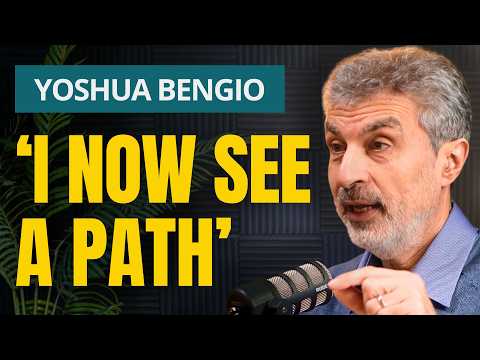
Yoshua Bengio identifies psychological barriers like cognitive biases, the desire to feel good about one's work, and the lack of immediate, visible risks (unlike climate change) as reasons for collective inaction on AI safety. Enhancing gut-level understanding of the risks could accelerate change.
Impact: High. This delves into the human element of AI safety challenges, explaining why even rational actors may fail to prioritize long-term risks, and suggests that improving intuitive risk perception is key to driving progress.
In the source video, this keypoint occurs from 01:57:10 to 01:58:17.
Sources in support: Rob Wiblin (Host)