
Skim Logo
Dwarkesh PatelApril 30, 2026
How GPT-5, Claude, and Gemini are actually trained and served – Reiner Pope
2:13:40
DP

How GPT-5, Claude, and Gemini are actually trained and served – Reiner Pope

Physical Constraints on Rack Density — Dwarkesh Patel

From How GPT-5, Claude, and Gemini are actually trained and served – Reiner Pope. Category: Tech. Format: Commentary. This is a single keypoint from the analysis.

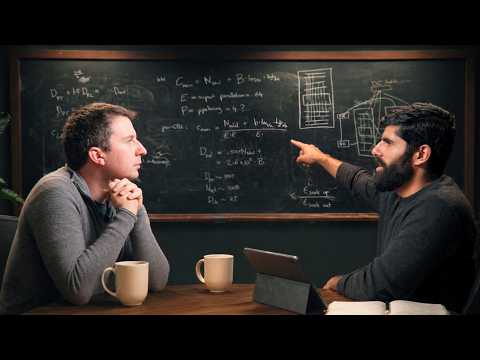
Increasing the number of GPUs within a rack, such as from Hopper (8 GPUs) to Blackwell (72 GPUs) and Rubin (500+ GPUs), is constrained by physical factors like power delivery, cooling, and crucially, cable density. The physical space and bend radius of cables limit how many high-speed connections can be routed within a rack.

Impact: High. These physical limitations are a fundamental barrier to scaling compute density, forcing innovation in rack design and cabling to accommodate the ever-increasing demands of AI models.

In the source video, this keypoint occurs from 00:41:00 to 00:44:00.

Sources in support: Dwarkesh Patel (Host)

For the full credibility analysis, key takeaways, and other keypoints from this video, see the full analysis on skim.

This keypoint analysis was generated by skim (skim.plus), an AI-powered content analysis platform by Credible AI.