
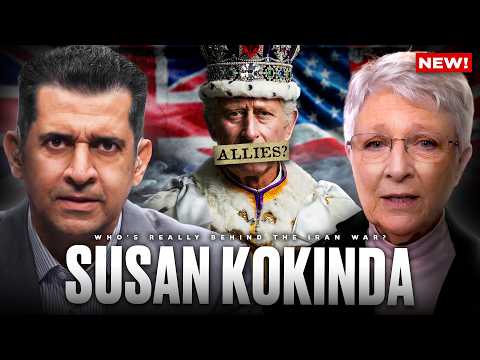
Neither Russia nor China are particularly enamored with the current Iranian regime, and their strategic interests are evolving under a new U.S. foreign policy paradigm. Documents like the U.S. National Security Strategy indicate a less adversarial stance towards Russia and a view of China as a competitor, not an immutable enemy. This shift creates a new global chessboard where traditional alliances and dependencies, like the IRGC's reliance on external support, may become less viable. The conclusion is that both nations are re-evaluating their positions in a world where the U.S. is acting differently.
Impact: High. This point suggests a significant recalibration of global power dynamics, where traditional adversaries are being re-evaluated and new strategic relationships are forming. It implies that the geopolitical landscape is more fluid than commonly perceived.
In the source video, this keypoint occurs from 01:02:52 to 01:05:25.
Sources in support: Susan Kokinda (Guest, Prometheian Action)