Memorial Museums and the Legacy of Terrorism
Pelsez on Curating Five Decades of French Terror
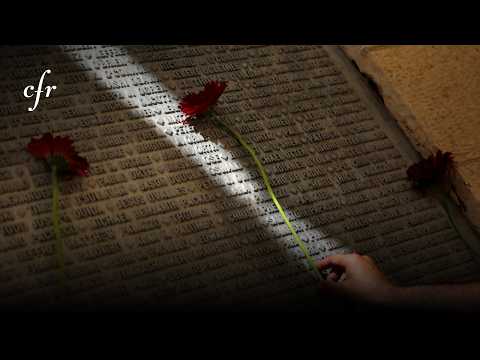
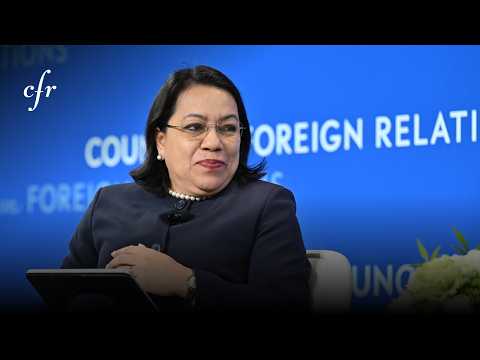
Elisabeth Pelsez details the challenge of developing France's forthcoming Museum-Memorial of Terrorism, scheduled to open in 2031 or 2032, which covers attacks from the 1960s and 1974 to the present. Because public memory in France focuses heavily on the 2015 Bataclan and Nice attacks, the museum must balance coverage across far-right, far-left, jihadist, and regionalist violence in Corsica and the Basque Country.
Norway's Shift to Confronting Political Terror
A director traces the evolution of Norway's 22 July Centre from a temporary 2015 information center relying strictly on judicial text to a permanent national museum opened this year. On the tenth anniversary of the 2011 attack that killed sixty-nine people at a Labor youth camp, survivors pushed the narrative beyond rose marches to explicitly name the attack as a politically motivated assault on the Labor Party.
Naming Perpetrators Without Glorifying Them
Clifford Chanin and Elisabeth Pelsez examine the curatorial shift from avoiding perpetrators' names to directly confronting their identities and ideologies. Pelsez recounts how the grandfather of two children murdered by Mohamed Merah in 2012 urged the museum to identify who the killer was without making him a hero for impressionable youth.
Exposing TikTok Algorithms and Youth Extremism
Responding to former Homeland Security Advisor Liz Sherwood-Randall on the rise of livestreamed copycat violence and nihilistic youth extremism, a director details Norway's first museum exhibition on online radicalization. Built in cooperation with Norwegian intelligence services, the exhibit exposes how TikTok algorithms, humor, and dog whistles pull vulnerable teenage boys down extremist rabbit holes.
Documenting Fatal Post-9/11 Toxic Dust Exposures
Answering Jeffrey Toobin's question on keeping discrete historical museums fresh, Clifford Chanin explains that while core exhibitions are costly to overhaul, the 9/11 Museum added a dedicated installation three years ago on the health impacts of toxic dust. He notes that more people have died since 9/11 from toxic exposures than died on the day itself, including more than 600 firefighters compared to 343 on 9/11, and more than 500 NYPD officers compared to twenty-three on the day.
Holocaust Precedents and State Failures in Terror
Addressing journalist Sewell Chan's question on Holocaust memorial precedents and state violence, Clifford Chanin distinguishes between the Holocaust—where a state murdered its own citizens—and terrorism, though he notes that ongoing 9/11 family lawsuits alleging Saudi government involvement could reshape the museum's narrative.