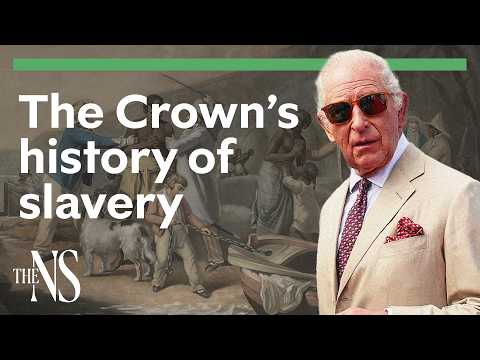
The Exchange's The Crown was once the world’s largest buyer of enslaved people | The Exchange: skim's analysis identifies 10 key moments, with 1 potential conflict of interest flagged. Historian Brooke Newman joins Oli Dugmore ahead of the 2026 Commonwealth Heads of Government Summit in Antigua and Barbuda to examine the British monarchy's multi-century involvement in transatlantic slavery.
Category: Politics. Format: Interview. YouTube video analyzed by skim.
skim AI Analysis
Credibility assessment: Archival Historical Analysis. Brooke Newman grounds her historical claims in ten years of primary archival research across the Royal Archives, National Archives, and South Sea Company records. While her policy prescriptions on royal apologies and reparations are interpretive, the underlying historical account of monarchic involvement in slavery is well-documented.
Bias assessment: Pro-Reparations Reformist. Both host Oli Dugmore and guest Brooke Newman openly favor an official British apology and reparative justice, expressing a shared lack of reverence for the monarchy. While they acknowledge taxpayer anxieties over the cost of living, conservative critiques of the book are largely dismissed as bad-faith culture-war reactions.
Originality: 85% — Primary Archival Synthesis. The conversation goes beyond standard talking points on British slavery to examine specific, lesser-known mechanisms of royal involvement, particularly King George III's purchase of enslaved men for the West India Regiments and the 19th-century Victorian rebranding of the monarchy.
Depth: 86% — Multi-Century Institutional. Newman traces how the British monarchy's involvement in slavery evolved across centuries from direct Stuart shareholder profiteering to Hanoverian military and customs reliance, while distinguishing between state taxpayer obligations and the royal family's inherited private wealth.
Key Points (10)
1. Commonwealth Summit Reparations Standoff
Timestamp: 00:00:00 to 00:02:56
Ahead of the Commonwealth Heads of Government Summit in Antigua and Barbuda, former St. Vincent Prime Minister Ralph Gonsalves alleged Britain threatened Prime Minister Andy Burnham would skip the summit if reparations were on the agenda, a claim the FCDO rejected. Brooke Newman argues refusing to discuss an apology or reparations alienates Caribbean realms where King Charles remains head of state amidst global economic and political insecurity. She concludes that while constitutional constraints bind the monarch to government policy, Caribbean nations remain cautiously optimistic for change.
Significance (High): Framing reparations refusal as a geopolitical liability warns that Britain risks weakening Commonwealth ties and King Charles's standing as head of state in Caribbean realms.
Sources in support: Brooke Newman (Historian and author of The Crown's Silence: The Hidden History of Slavery and the British Monarchy)
Neutral sources: Oli Dugmore (Host, The Exchange)
2. Why Royal Sorrow Falls Short of Apology
Timestamp: 00:02:56 to 00:05:41
Responding to King Charles and Prince William expressing personal sorrow over slavery, Brooke Newman traces this rhetoric back to Prince Albert's 1840 speech at the World's Anti-Slavery Convention in London. She explains that expressing personal regret or sorrow is an emotional response that avoids admitting institutional culpability, a pattern also used by former Prime Minister David Cameron in Jamaica. While acknowledging that royal recognition of slavery's horrors in Ghana, Rwanda, and Barbados mattered, she concludes that personal sorrow no longer opens doors to the next step of accountability.
Significance (High): Distinguishing emotional regret from formal apology exposes how British royals and prime ministers have used personal sorrow since 1840 to avoid institutional liability.
Sources in support: Brooke Newman (Historian and author of The Crown's Silence: The Hidden History of Slavery and the British Monarchy)
Neutral sources: Oli Dugmore (Host, The Exchange)
3. Centuries of Open Royal Support for Slavery
Timestamp: 00:05:41 to 00:07:44
Newman details how British monarchs from Elizabeth I and James I through Charles I and Charles II openly invested in and headed slave-trading entities like the Royal African Company and the South Sea Company. She notes the monarchy relied on customs and tax revenues from slave-produced sugar and tobacco to fund its ordinary income, while the Royal Navy provided convoy protection to slaving vessels and transported enslaved people to the Americas. This open alignment lasted for centuries before grassroots abolitionism forced the institution to change posture.
Significance (High): Documenting royal leadership of slave-trading companies and naval protection for slaving ships dismantles the narrative that the Crown's tie to slavery was merely passive.
Sources in support: Brooke Newman (Historian and author of The Crown's Silence: The Hidden History of Slavery and the British Monarchy)
Neutral sources: Oli Dugmore (Host, The Exchange)
4. Victorian Moral Rebranding and Royal Silence
Timestamp: 00:07:44 to 00:09:24
As a grassroots mass movement turned the British public against the slave trade in the late 18th and 19th centuries, the conservative monarchy was not at the vanguard of abolition. Newman argues that to protect its moral authority, the institution stopped discussing its centuries of financial investment and defense of slavery, rebranding under Queen Victoria and Prince Albert as a Christian, humanitarian, liberal monarchy that championed anti-slavery while expanding the empire. She concludes that Britain remains in this era of silence today, questioning how long the 78-year-old King Charles can claim he is still educating himself.
Significance (High): Tracing the monarchy's silence to a 19th-century Victorian rebranding explains why modern Britons associate the Crown with abolition rather than slave trading.
Sources in support: Brooke Newman (Historian and author of The Crown's Silence: The Hidden History of Slavery and the British Monarchy)
5. How the Crown Became the Top Buyer of Slaves
Timestamp: 00:09:24 to 00:13:58
Asked by Oli Dugmore how the Crown became the largest buyer of enslaved people by 1807, Newman explains that while Stuart monarchs like James II held precise shares such as 3,000 pounds in the Royal African Company, post-Glorious Revolution monarchs benefited through state and military power. During the reign of George III starting in 1760, high mortality from tropical diseases among white British troops led the king to support buying enslaved men for the West India Regiments formed in the 1790s to defend lucrative colonies like Jamaica and Barbados.
Significance (High): Revealing that the Crown spent 1 million pounds buying enslaved soldiers as abolition loomed challenges the assumption that constitutional monarchy ended royal involvement in slavery.
Sources in support: Brooke Newman (Historian and author of The Crown's Silence: The Hidden History of Slavery and the British Monarchy)
Neutral sources: Oli Dugmore (Host, The Exchange)
6. Dynastic Inheritance and Tudor Origins
Timestamp: 00:14:00 to 00:16:45
Newman argues it is almost impossible to separate the personal responsibility of individual monarchs from the institutional Crown because each generation inherits palaces, wealth, and authority from predecessors. Tracing the origins back to the Tudor era, she notes that monarchs inherited chaotic, impoverished treasuries in a geopolitical backwater and initially backed overseas trade in West African dyewoods, ivory, and spices through ventures like the Guinea Company. Once human trafficking became a profitable option, monarchs chose to embrace it and continued making those choices even as slavery grew viewed as abhorrent.
Significance (Medium): Connecting King Charles's current status directly to dynastic inheritance undermines attempts to isolate responsibility to individual past monarchs like Charles II or James II.
Sources in support: Brooke Newman (Historian and author of The Crown's Silence: The Hidden History of Slavery and the British Monarchy)
Neutral sources: Oli Dugmore (Host, The Exchange)
7. Oli Dugmore Contrasts Taxpayers and Heirs
Timestamp: 00:16:45 to 00:18:44
Oli Dugmore examines the common British argument that modern taxpayers in places like Derby or Birmingham should not pay for historical wrongs, expressing some sympathy for ordinary workers. However, he points out that Britain actually paid reparations at the time of abolition by compensating slave owners, a debt the country only finished paying off about 10 years ago. He contrasts ordinary citizens with direct beneficiaries of slavery wealth, citing King Charles and the Drax family, whose forebears pioneered enslaved black plantation labor and whose descendants still hold massive estates in southern England.
Significance (High): Highlighting that British taxpayers paid off slave-owner compensation debt until roughly a decade ago refutes the claim that slavery is too distant to have modern financial bearing.
Sources in support: Oli Dugmore (Host, The Exchange), Brooke Newman (Historian and author of The Crown's Silence: The Hidden History of Slavery and the British Monarchy)
8. Newman Proposes Separate Royal Reparations Fund
Timestamp: 00:18:44 to 00:22:46
Building on the distinction between taxpayers and wealthy heirs, Newman notes that UCL and slave-trader database projects allow historians to trace slave-trading profits directly into British country estates, the Church of England, the Bank of England, palaces, and art collections. While acknowledging that ordinary Britons facing a cost-of-living crisis are anxious about taxpayer-funded reparations, she emphasizes that shareholder records leave a clear paper trail of complicity leading to the monarchy.
Significance (High): Proposing a privately funded royal reparations fund sidesteps the biggest political obstacle in Britain, which is billing working taxpayers during a cost-of-living crisis.
Sources in support: Brooke Newman (Historian and author of The Crown's Silence: The Hidden History of Slavery and the British Monarchy)
Neutral sources: Oli Dugmore (Host, The Exchange)
9. Conservative Backlash and 10 Years in Archives
Timestamp: 00:22:46 to 00:27:26
After Dugmore notes that British deference to the monarchy makes Newman's proposals feel provocative and asks about conservative press criticism, Newman recounts a one-star Telegraph review calling her work utterly shameful. She points out that her book is 99% history based on 10 years of archival research in the Royal Archives, National Archives, and South Sea Company records, with only a brief concluding suggestion that King Charles address the past.
Significance (Medium): Contrasting ten years of primary archival footnotes with reviewers who attack the topic itself highlights how royal history gets weaponized in British culture wars.
Sources in support: Brooke Newman (Historian and author of The Crown's Silence: The Hidden History of Slavery and the British Monarchy), Oli Dugmore (Host, The Exchange)
10. The Dutch Royal Benchmark for King Charles
Timestamp: 00:27:26 to 00:30:21
Asked what a credible response from King Charles would look like after a source told the Guardian the king took her book profoundly seriously, Newman points to King Willem-Alexander of the Netherlands as a European benchmark. She explains that the Dutch monarch proactively handpicked top independent scholars and forensic accountants to investigate his dynasty's colonial and slavery links, issued a formal apology, and entered dialogue on redress.
Significance (High): Citing King Willem-Alexander's forensic accounting commission and formal apology provides a concrete European precedent that strips away excuses for British royal inaction.
Sources in support: Brooke Newman (Historian and author of The Crown's Silence: The Hidden History of Slavery and the British Monarchy)
Neutral sources: Oli Dugmore (Host, The Exchange)
This analysis was generated by skim (skim.plus), an AI-powered content analysis platform by Credible AI. Scores and classifications represent the platform's AI-generated assessment and should be considered alongside other sources.