Center for Strategic & International Studies's France's Far Right, Burnham's New Britain, and Europe’s Autumn Agenda: skim's analysis identifies 7 key moments. This episode discusses the upcoming French presidential election, focusing on Marine Le Pen's strong candidacy and the challenges for centrist parties.
Category: Politics. Format: Panel Discussion. YouTube video analyzed by skim.
skim AI Analysis
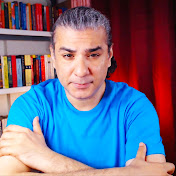
Credibility assessment: Expert Analysis. The speaker, Mujtaba Rahman, is presented as a Managing Director at Eurasia Group, a reputable geopolitical risk consultancy, with prior experience at the European Commission and UK Treasury. His analysis is detailed and draws on polling data and political trends, lending it significant credibility.
Bias assessment: Center-Left Leaning. While aiming for objectivity, the analysis leans towards concerns about the far-right's rise in France and expresses a preference for centrist or center-left outcomes in both France and the UK. The framing of Macron's domestic policy as a 'failure' and the positive portrayal of Andy Burnham's agenda suggest a subtle ideological leaning.
Originality: 60% — Standard Political Analysis. The analysis covers predictable topics in European politics (French elections, UK leadership, EU agenda) and uses standard frameworks for evaluating candidates and policies. While insightful, it doesn't present radically new perspectives but rather a well-informed synthesis of current trends.
Depth: 80% — In-depth Political Insight. The analysis delves into the nuances of the French presidential election, comparing candidates like Le Pen and Philipe, and discussing the complexities of the French left's fragmentation. It also provides a detailed breakdown of Andy Burnham's agenda and the UK's political landscape, offering a sophisticated understanding of the issues.
Key Points (7)
1. Le Pen's Formidable Challenge
Timestamp: 00:02:52 to 00:07:51
Marine Le Pen's candidacy for the French presidency presents a more formidable challenge than her successor, Jordan Bardella, due to her greater political experience and a more disruptive economic program. Her ideological stance and desire to confront the establishment make her a significant threat.
Significance (High): Le Pen's potential victory could lead to a significant rupture with the political establishment, fundamentally altering France's domestic and international policies.
Sources in support: Mujtaba Rahman (Managing Director for Europe, Eurasia Group)
Neutral sources: Max Bergman (Host, The Eurofile)
2. Philippe's Strengths and Weaknesses
Timestamp: 00:12:46 to 00:16:43
Edouard Philippe possesses key strengths as a potential mainstream candidate, including governing experience and a degree of independence from Macron. However, he may lack the ruthless political instinct needed to counter Le Pen's emotional campaign, and his association with Macron could be a liability.
Significance (Medium): Philippe's candidacy is crucial for the center's hopes, but his perceived lack of killer instinct and potential association with Macron's perceived failures could hinder his ability to defeat Le Pen.
Sources in support: Mujtaba Rahman (Managing Director for Europe, Eurasia Group)
Neutral sources: Max Bergman (Host, The Eurofile)
3. Le Pen's Compelling Narrative
Timestamp: 00:16:43 to 00:20:40
Marine Le Pen is crafting a compelling narrative for the 2027 election, arguing that Macron has delivered only 'managed mediocrity' and economic stagnation, failing to meet his 2017 promises. This narrative resonates with a public feeling that her time has come, positioning her as a strong contender.
Significance (High): Le Pen's narrative challenges the incumbent's record and taps into public dissatisfaction, potentially providing her with the momentum needed to win the presidency.
Sources in support: Mujtaba Rahman (Managing Director for Europe, Eurasia Group)
Neutral sources: Max Bergman (Host, The Eurofile)
4. Burnham's UK Agenda: Devolution and Reform
Timestamp: 00:20:40 to 00:24:09
Andy Burnham's agenda as UK Prime Minister marks a departure from previous policies, focusing on devolution as a driver of economic growth and considering electoral reform. This approach aims to empower local authorities and potentially reshape the political landscape.
Significance (Medium): Burnham's focus on devolution and reform could lead to a more decentralized UK and a shift in electoral dynamics, though fiscal constraints remain a significant challenge.
Sources in support: Mujtaba Rahman (Managing Director for Europe, Eurasia Group)
Neutral sources: Max Bergman (Host, The Eurofile)
5. EU's External Challenges: Russia and China
Timestamp: 00:24:09 to 00:26:10
The EU faces significant challenges in its dealings with Russia and China in the coming months, as both nations have incentives to escalate confrontation rather than negotiate. This contrasts with a more stable, albeit still complex, relationship with the United States.
Significance (High): The EU's ability to navigate its relationships with Russia and China will be critical for its stability and influence in the global arena during the fall.
Sources in support: Mujtaba Rahman (Managing Director for Europe, Eurasia Group)
Neutral sources: Max Bergman (Host, The Eurofile)
6. Max: EU-China Economic Friction Intensifies
Timestamp: 00:27:46 to 00:29:09
The debate in Europe is settled: China is not competing fairly. The current focus is on how to address this unfair competition, with Europe implementing measures like the Industrial Accelerator Act and investment screening. China, however, views these actions as attempts to constrain its growth and is shifting from unfair competition to economic coercion. This fundamental disagreement over core economic systems makes EU-China relations headed for an escalatory trajectory.
Significance (High): This structural conflict could lead to significant trade disruptions, supply chain reconfigurations, and increased geopolitical tensions, forcing European nations to make difficult choices about economic dependencies.
Sources in support: Max Bergman (Host, The Eurofile)
Neutral sources: Mujtaba Rahman (Managing Director for Europe, Eurasia Group)
7. Rahman: Geopolitical Challenges to Dominate Europe's Agenda
Timestamp: 00:29:09 to 00:29:20
The significant geopolitical challenges posed by Russia and China are set to dominate the European conversation in the second half of the year. These escalating trajectories, driven by Russia's war financing needs and China's response to European economic security measures, create a complex and volatile landscape for Europe.
Significance (High): These dominant geopolitical issues will likely shape European policy decisions, resource allocation, and international alliances, potentially leading to a more fragmented or consolidated European response.
Sources in support: Mujtaba Rahman (Managing Director for Europe, Eurasia Group)
Neutral sources: Max Bergman (Host, The Eurofile)
This analysis was generated by skim (skim.plus), an AI-powered content analysis platform by Credible AI. Scores and classifications represent the platform's AI-generated assessment and should be considered alongside other sources.