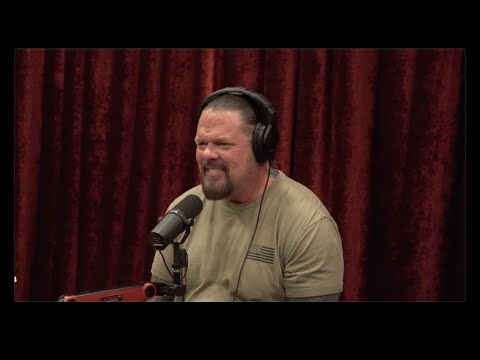
PowerfulJRE's Joe Rogan Experience #2295 - Scott Payne: skim's analysis identifies 10 key moments, with 1 potential conflict of interest flagged. Joe Rogan interviews Scott Payne, a former FBI undercover agent, about his 25 years infiltrating the KKK, Nazi organizations, and biker gangs.
Category: Current Events. Format: Interview. YouTube video analyzed by skim.
skim AI Analysis
Credibility assessment: High Experience. Scott Payne's 25 years of undercover work for the FBI, targeting dangerous groups, lends significant credibility. His detailed accounts and willingness to discuss sensitive topics enhance trust, though some details remain classified.
Bias assessment: Law Enforcement Leaning. The interview is primarily from the perspective of a law enforcement officer. While Payne attempts to be objective, his experiences and role inherently present a pro-law enforcement viewpoint, potentially downplaying the complexities of criminal motivations.
Originality: 75% — Unique Perspective. The video offers a rare, firsthand account of undercover work in extreme environments. Payne's experiences infiltrating biker gangs and neo-Nazi groups provide unique insights, though the narrative is shaped by his personal experiences.
Depth: 70% — Investigative Insight. Payne provides detailed descriptions of his undercover tactics, the psychological challenges, and the moral ambiguities of his work. While the analysis is experience-based, it offers valuable insights into the complexities of law enforcement and the motivations of criminals.
Key Points (10)
1. Payne: Undercover Work's Psychological Toll
Timestamp: 00:15:46 to 00:19:40
Scott Payne emphasizes the intense psychological demands of undercover work, highlighting the sleep deprivation, constant stress, and the need to maintain a false identity. He notes that the FBI's certification school is designed to push agents to their breaking points to prepare them for the realities of the field, suggesting that the mental fortitude required is immense. This rigorous training aims to prevent agents from cracking under pressure in real-life scenarios, ensuring they can handle the extreme conditions and high stakes.
Significance (High): Highlights the unseen mental challenges of undercover work.
Sources in support: Scott Payne (Guest)
Neutral sources: Joe Rogan (Host)
2. Rogan: The Allure of Undercover Life
Timestamp: 00:18:46 to 00:20:37
Joe Rogan expresses fascination with the undercover lifestyle, describing it as one of the most exciting forms of law enforcement due to its inherent danger and complexity. He acknowledges the unique personality type required to thrive in such a high-stress environment, where mistakes can be fatal. This allure stems from the adrenaline rush and the constant need for adaptability, making it a compelling, albeit perilous, career choice. Rogan's perspective underscores the romanticized view of undercover work often portrayed in media.
Significance (Medium): Highlights the public fascination with the dangerous profession.
Sources in support: Joe Rogan (Host)
Neutral sources: Scott Payne (Guest)
3. Payne details infiltrating the Outlaws
Timestamp: 00:28:24 to 00:32:22
Scott Payne recounts his experience infiltrating the Outlaws Motorcycle Club, describing how he gained their trust by being loud and boisterous in a bar they frequented. He emphasizes the importance of fitting in and mirroring their behavior, such as drinking and telling jokes, to build rapport. Payne's approach involved creating a persona that resonated with the group's culture, ultimately leading to an invitation to their regional event. This illustrates the delicate balance between maintaining a cover and gathering intelligence, showcasing the strategic thinking required for successful infiltration. He notes that he was eventually asked to participate in a regional event called Lobster Fest, held at the Outlaws' clubhouse.
Significance (High): Illustrates the methods used to infiltrate criminal organizations.
Sources in support: Scott Payne (Guest)
Neutral sources: Joe Rogan (Host)
4. Payne: Drug Use as a Last Resort
Timestamp: 00:33:56 to 00:36:54
Scott Payne addresses the controversial topic of drug use in undercover work, stating that he would only use drugs if his life were in immediate danger. He emphasizes the importance of being able to articulate the reasons for drug use in court, highlighting the potential for defense attorneys to discredit an agent's testimony. Payne's stance underscores the ethical tightrope that undercover agents must walk, balancing the need to maintain cover with the imperative to avoid compromising their integrity. He notes that there is no case worth getting addicted to drugs or endangering yourself, and that it is better to walk away.
Significance (Medium): Addresses the ethical dilemmas of undercover drug operations.
Sources in support: Scott Payne (Guest)
Neutral sources: Joe Rogan (Host)
5. Payne on the Emotional Toll of Betrayal
Timestamp: 00:46:54 to 00:50:32
Scott Payne reflects on the emotional challenges of forming close relationships with targets, knowing that he will ultimately betray them. He recounts a specific instance where he had to bring down a close contact, highlighting the surreal experience of bouncing his target's daughter on his lap while knowing he would soon be responsible for the man's arrest. Payne acknowledges the human element in undercover work, admitting that it is impossible to completely detach oneself from the relationships formed. He notes that undercover work is building relationships that you are going to betray, and that you need to know how you are going to deal with that.
Significance (High): Explores the personal cost of undercover work.
Sources in support: Scott Payne (Guest)
Neutral sources: Joe Rogan (Host)
6. Payne: A Brush with Death
Timestamp: 00:57:00 to 01:01:54
Scott Payne recounts a harrowing experience where he was stripped and searched for a wire in a biker clubhouse, highlighting the constant danger he faced. He describes the adrenaline dump he experienced and the quick thinking required to maintain his cover. Payne's account underscores the precarious nature of undercover work, where a single mistake can have deadly consequences. He notes that he had to remember his alias' middle name, and that he almost forgot it due to the adrenaline dump. He also notes that he had to make sure there was no plastic on the floor, as that would have meant he was about to be killed.
Significance (High): Illustrates the constant threat of exposure and violence.
Sources in support: Scott Payne (Guest)
Neutral sources: Joe Rogan (Host)
7. Payne: The Power of Prayer
Timestamp: 01:09:14 to 01:11:41
Scott Payne shares a personal anecdote about his wife's unwavering support and faith during his dangerous undercover work. He recounts a specific instance where his wife felt an overwhelming sense of dread and began praying for him while he was in a perilous situation. Payne attributes his survival to her prayers, highlighting the power of faith and the importance of having a strong support system. He notes that his wife had to give it up to God, and that she had to trust that he was good at what he did.
Significance (Medium): Highlights the importance of faith and support in high-stress jobs.
Sources in support: Scott Payne (Guest)
Neutral sources: Joe Rogan (Host)
8. Payne: The Base's Pagan Ritual
Timestamp: 01:11:55 to 01:16:55
Scott Payne details his infiltration of a neo-Nazi group called The Base, describing their accelerationist ideology and their unique blend of white supremacy and Norse paganism. He recounts attending a pagan ritual where members sacrificed a goat, drank its blood, and burned American flags and Bibles. Payne's account reveals the disturbing beliefs and practices of these extremist groups, highlighting the twisted logic they use to justify their hatred and violence. He notes that the group was planning to start a race war, and that they were actively recruiting new members.
Significance (High): Reveals the disturbing beliefs and practices of extremist groups.
Sources in support: Scott Payne (Guest)
Neutral sources: Joe Rogan (Host)
9. Payne: The Banality of Evil
Timestamp: 01:16:55 to 01:20:19
Scott Payne reflects on the disturbing normalcy of the individuals he encountered in extremist groups, noting that many were young outcasts seeking a sense of belonging. He describes a chilling conversation with a neo-Nazi who voted for Hillary Clinton to accelerate the collapse of society, illustrating the twisted logic that drives their actions. Payne's observations underscore the banality of evil, highlighting how ordinary people can be drawn into extraordinary acts of hatred and violence. He notes that these people are often just looking for a place to belong, and that they are easily radicalized online.
Significance (High): Highlights the disturbing normalcy of individuals in extremist groups.
Sources in support: Scott Payne (Guest)
Neutral sources: Joe Rogan (Host)
10. Payne: The Base's Leader
Timestamp: 01:35:52 to 01:38:17
Scott Payne reveals that the leader of The Base, a neo-Nazi group he infiltrated, was an American citizen named Ronaldo Nazaro, who now resides in Russia and teaches English. He notes that Nazaro was in the army and worked for the Department of Justice, highlighting the disturbing fact that individuals with military and government backgrounds can be drawn to extremist ideologies. Payne's revelation underscores the complex and multifaceted nature of domestic terrorism, illustrating the need for vigilance and proactive measures to counter its spread. He notes that Nazaro was good at what he did, and that he was able to recruit people from all over the world.
Significance (High): Reveals the surprising background of a neo-Nazi leader.
Sources in support: Scott Payne (Guest)
Neutral sources: Joe Rogan (Host)
This analysis was generated by skim (skim.plus), an AI-powered content analysis platform by Credible AI. Scores and classifications represent the platform's AI-generated assessment and should be considered alongside other sources.