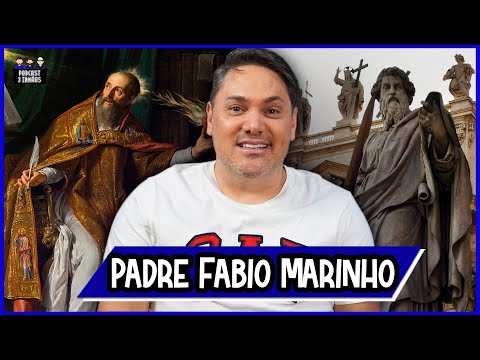
Key points (67)
- Short (44 min): key points 1, 4, 8, 12, 14, 18, 22, 25, 33, 36, 38, 40, 47, 50, 52, 53, 58, 60, 63 and 67
- Medium (1h 29min): key points 1, 2, 4, 5, 8, 12, 13, 14, 16, 18, 19, 21, 22, 25, 27, 29, 31, 33, 34, 36, 38, 40, 43, 44, 45, 47, 48, 50, 51, 52, 53, 56, 58, 60, 61, 63, 64 and 67
- Relaxed (2h 37min): all 67 key points
1. Padre Fabio: Religion vs. Spirituality
Timestamp: 00:02:07 to 00:07:07 (5 min)
True spirituality transcends rigid religious rules and focuses on love as an active verb, demonstrated through actions and connection with others, rather than mere adherence to dogma or institutional practices. The essential is to seek how one can be better for others, which is the true essence of God and religion. Ceremony, liturgy, and ritual are secondary to this core principle of active love and connection.
Impact: High. Why it matters: This reframes religious practice from a set of obligations to a dynamic, relational experience. It challenges viewers to look beyond outward displays of piety and focus on genuine compassion and service, suggesting a more inclusive and impactful way to live out one's faith.
For: Padre Fabio Marinho
Neutral: Rodrigo Chorró, Roberto Andrade
2. Jesus's Message: God is in the Heavens, Not Just the Temple
Timestamp: 00:07:36 to 00:11:30 (4 min)
Jesus taught that God is accessible to all, residing in the heavens, not confined to the physical temple or exclusive to religious elites. The Lord's Prayer, 'Our Father who art in heaven,' emphasizes universal access to the divine. This contrasts with the hierarchical and power-driven nature of the temple in Jesus's time, and today, it challenges the notion that God belongs to any single group or can be possessed by individuals. The Christian message is about a shared Father and shared bread, demanding social indifference be addressed.
Impact: High. Why it matters: This challenges the exclusivity often found in religious institutions, promoting a more inclusive and universal understanding of divinity. It encourages believers to see God in all people and to actively address social injustices, rather than confining their faith to institutional walls or personal ownership.
For: Padre Fabio Marinho
Neutral: Rodrigo Chorró, Roberto Andrade
3. Padre Fabio: The Poor's Struggle vs. The Rich's Excesses
Timestamp: 00:10:42 to 00:13:42 (3 min)
The discomfort with the poor's struggles, like begging for food or public intoxication, is often more jarring to the privileged than their own excesses, such as excessive perfume or reliance on psychotropic drugs for sleep and wakefulness. While the poor may use alcohol to cope with harsh realities, the wealthy use prescribed medications. This disparity highlights a skewed moral judgment where the poor's coping mechanisms are criticized, while the rich's are normalized or hidden, questioning the nature of Christian charity.
Impact: High. Why it matters: This point forces a critical examination of societal biases and the selective empathy often displayed by the affluent towards the less fortunate. It challenges the audience to recognize their own potential blind spots regarding poverty and privilege, advocating for a more equitable and compassionate understanding of human suffering.
For: Padre Fabio Marinho
Neutral: Rodrigo Chorró, Roberto Andrade
4. The Church's Role: Adapting vs. Persecution
Timestamp: 00:14:53 to 00:19:20 (4 min)
The Catholic Church, guided by the Holy Spirit and the authority given to Peter, has the capacity to adapt and change its rules over time, reflecting the 'signs of the times.' However, the Church should never seek universal applause; true adherence to its mission means facing persecution and criticism, mirroring Christ's own suffering. When the Church is universally accepted, it likely means it has strayed from its core mission. Persecution is not a sign of failure, but of faithfulness.
Impact: High. Why it matters: This perspective challenges the common desire for institutional acceptance and validation, reframing persecution as a sign of spiritual integrity. It encourages believers to remain steadfast in their mission, even when facing opposition, and to question any institution that seeks popularity over principle.
For: Padre Fabio Marinho
Neutral: Rodrigo Chorró, Roberto Andrade
5. Padre Fabio: Depression is a Medical Illness, Not a Lack of Faith
Timestamp: 00:21:40 to 00:25:04 (3 min)
Depression is a medical illness, not a spiritual failing or a lack of God. As a psychoanalyst and a priest who has battled depression for years and continues to take medication, Padre Fabio emphasizes that faith can be a powerful support, but it does not replace the need for professional medical treatment. Attributing depression solely to a lack of God is ignorant and harmful, ignoring the biological and psychological components of the disease.
Impact: High. Why it matters: This crucial distinction between mental illness and spiritual deficiency offers vital clarity and reduces stigma. It empowers individuals suffering from depression to seek appropriate medical help without feeling guilt or spiritual inadequacy, validating their experience and promoting a holistic approach to well-being.
For: Padre Fabio Marinho
Neutral: Rodrigo Chorró, Roberto Andrade
6. Padre Fabio: Depression is a Disease, Not a State
Timestamp: 00:25:06 to 00:28:40 (4 min)
Padre Fabio Marinho strongly asserts that depression is a medical illness, not simply a state of unhappiness or frustration. He emphasizes that true depression requires a 'tripod' of treatment: therapeutic accompaniment, medication, and physical exercise. He criticizes the notion that one can overcome depression solely through faith or life reorganization, stating that it 'does not exist' outside of these medical interventions. He also laments the cultural resistance to medication and vaccines in Brazil, calling it a 'stupidity.'
Impact: High. Why it matters: This distinction is crucial for destigmatizing mental health issues and encouraging proper medical care. It challenges anecdotal evidence of recovery through faith alone, grounding the discussion in clinical reality.
For: Rodrigo Chorró
Neutral: Roberto Andrade
7. From Nightlife to the Altar: A Priest's Unconventional Path
Timestamp: 00:28:17 to 00:31:40 (3 min)
Padre Fabio Marinho recounts his surprising journey from being a musician performing in nightclubs from age 14 to becoming a priest. He describes his early life, influenced by a devout mother and a structured home environment that respected sacred spaces. Despite a promising musical career, including sponsorships and plans for a record deal, he felt a calling to a more austere life, initially considering becoming a monk. This path eventually led him to the priesthood, a decision that initially surprised his family.
Impact: High. Why it matters: This narrative humanizes the clergy, showing that priests come from diverse backgrounds and may have had unconventional pasts. It challenges stereotypes and highlights the personal discernment involved in religious vocations.
For: Rodrigo Chorró
Neutral: Roberto Andrade
8. Theological Studies and a Detour into Diocesan Priesthood
Timestamp: 00:33:02 to 00:41:14 (8 min)
Padre Fabio Marinho details his academic pursuits, including studying philosophy and theology with the Order of Saint Augustine, with plans to lead an educational institution. However, his father's accident led him to return to Brazil. A bishop then invited him to join the diocesan clergy, a path he hadn't intended, which required him to become a cleric and abandon his religious order's rule. He accepted, partly due to emotional fragility and a perceived need to be near his family, but the project later dissolved. He was eventually ordained a priest and sent to study liturgy and music in Italy, though his depression interrupted his master's degree.
Impact: High. Why it matters: This narrative reveals the complex and often unexpected turns a religious vocation can take, influenced by personal circumstances and institutional decisions. It underscores the personal sacrifices and adjustments involved in serving the Church.
For: Rodrigo Chorró
Neutral: Roberto Andrade
9. Re-evaluation and Academic Focus: Bible and Liturgy Studies
Timestamp: 00:41:34 to 00:44:50 (3 min)
After returning to Brazil and experiencing depression, Padre Fabio Marinho requested time off from parish duties to focus on treatment and studies. He then shifted his academic focus, pursuing a master's in Biblical Studies and later a doctorate in Liturgy. He also founded Casa Santa Sofia, a theology school, which has educated over 200 students in ten years, offering modules on biblical theology, exegesis, and interpretation within historical contexts.
Impact: High. Why it matters: This highlights Padre Fabio's resilience and dedication to theological scholarship despite personal health challenges. The establishment of Casa Santa Sofia demonstrates a commitment to disseminating religious education and fostering deeper understanding.
For: Rodrigo Chorró
Neutral: Roberto Andrade
10. The Apocalypse: Context is King in Biblical Interpretation
Timestamp: 00:44:50 to 00:49:53 (5 min)
Padre Fabio Marinho argues vehemently against multiple interpretations of the Bible, especially the Book of Apocalypse. He insists that understanding the text requires knowing who wrote it, when, for whom, and in what context. He criticizes those who claim varied interpretations, suggesting they misunderstand the Bible's purpose. He explains that the Apocalypse, written by John during exile, was directed at seven specific churches facing persecution from the Roman Empire, using symbolic language (like the woman and the dragon) to represent the Church and its oppressors.
Impact: High. Why it matters: This perspective challenges common approaches to biblical study that allow for broad personal interpretation. It emphasizes a more traditional, authoritative method of understanding scripture, rooted in historical and ecclesiastical guidance.
For: Rodrigo Chorró
Neutral: Roberto Andrade
11. Christianity: A Faith of the Persecuted, Not the Comfortable
Timestamp: 00:47:38 to 00:50:38 (3 min)
Padre Fabio Marinho posits that Christianity is fundamentally the religion of the persecuted, and comfort is a sign that something is wrong within the faith. He explains that the Book of Revelation's imagery, such as the pregnant woman and the seven-headed dragon, symbolizes the Church (the woman) giving birth to new Christians through baptism (the amniotic fluid in the font) while facing persecution from oppressive powers like the Roman Empire (the dragon). He notes that persecutions were often provincial, not universal, until specific decrees were issued, leading to the theology of martyrdom.
Impact: High. Why it matters: This framing of Christianity as inherently challenging and counter-cultural offers a provocative perspective on the nature of faith and its historical context. It reframes suffering and persecution not as anomalies, but as integral to the Christian experience.
For: Rodrigo Chorró
Neutral: Roberto Andrade
12. Padre Fabio Marinho: The Paradox of the Cross
Timestamp: 00:50:41 to 00:52:48 (2 min)
The cross holds a paradoxical meaning: it is considered 'madness' by the Greeks due to its depiction of a suffering, dying God, and 'scandalous' by the Jews who expected a triumphant Messiah. However, for Christians, the cross represents salvation, symbolizing God's ultimate sacrifice and the restoration of humanity's connection with the divine.
Impact: High. Why it matters: Explains the profound theological significance of the cross, highlighting its counter-cultural nature and its central role in Christian belief.
For: Rodrigo Chorró
Neutral: Roberto Andrade
13. Padre Fabio Marinho: The True Meaning of 'Apocalypse'
Timestamp: 00:53:10 to 00:56:40 (4 min)
The term 'apocalypse' originates from Greek and literally means 'revelation.' It does not signify the end of the world but rather refers to the revelations given to early Christians about the persecutions they would face from the Roman Empire. This understanding is crucial for correctly interpreting biblical texts and avoiding common misconceptions.
Impact: High. Why it matters: Clarifies a widely misunderstood term, reframing biblical prophecy away from eschatological panic towards historical context and spiritual resilience.
For: Rodrigo Chorró
Neutral: Roberto Andrade
14. Padre Fabio Marinho: The Catholic Church's Global Presence
Timestamp: 01:00:53 to 01:02:04 (1 min)
The Catholic Church is universal, meaning it is the same everywhere, from Brazil to Europe. While Latin America retains a more devotional character, Europe has become more rational and, in parts, secular. This difference is attributed to Europe's long history and established democratic thought, contrasting with Brazil's shorter societal development.
Impact: Medium. Why it matters: Compares religious practices and societal development across continents, offering insight into the diverse expressions of Catholicism globally.
For: Rodrigo Chorró
Neutral: Roberto Andrade
15. Padre Fabio Marinho: Pilgrimage to the Holy Land
Timestamp: 01:02:04 to 01:04:48 (3 min)
Pilgrimages to the Holy Land, such as the 'Camino de Cristo,' involve visiting significant Christian sites like the Holy Sepulchre in Jerusalem. Historically, during the Crusades, orders like the Templars protected these routes, and visiting the Sepulchre offered indulgences. The empty tomb is the visible sign of Christ's resurrection.
Impact: Medium. Why it matters: Details the historical and spiritual significance of Holy Land pilgrimages, connecting them to medieval Christian practices and the core belief in the resurrection.
For: Rodrigo Chorró
Neutral: Roberto Andrade
16. Padre Fabio Marinho: Debunking Dan Brown's Templar Theories
Timestamp: 01:04:49 to 01:06:25 (2 min)
Dan Brown's theories about the Knights Templar protecting a bloodline of Jesus and Mary Magdalene are fictional. Theologically and historically, Jesus's kingdom is not of this world, and his lineage is spiritual, through baptism, not physical procreation. Such speculations lack historical basis and contradict core Christian teachings.
Impact: Medium. Why it matters: Critically assesses popular fictional narratives about Christian history, distinguishing them from established theological and historical facts.
For: Rodrigo Chorró
Neutral: Roberto Andrade
17. Padre Fabio Marinho: The Foundation of St. Peter's Basilica
Timestamp: 01:06:25 to 01:08:45 (2 min)
The Vatican's St. Peter's Basilica is built over the tomb of the Apostle Peter, who was crucified upside down outside Rome. A Christian family buried his body on the Vatican hill, later erecting an altar. This site evolved over centuries into the grand basilica, with an inscription confirming Peter's burial place.
Impact: High. Why it matters: Provides a historical account of the origins of a major Christian landmark, grounding its significance in the martyrdom and burial of a key apostle.
For: Rodrigo Chorró
Neutral: Roberto Andrade
18. Padre Fabio Marinho: The Purpose and Evolution of Mass
Timestamp: 01:09:13 to 01:12:10 (3 min)
The Mass is a spiritual communion with the Word and the Eucharist, not a venue for in-depth theological lectures. While its core essence remains unchanged since the apostles, its form has evolved to incorporate vernacular languages and contemporary music, allowing for personal expression within liturgical guidelines. The architecture of churches also serves as a form of catechesis.
Impact: Medium. Why it matters: Explains the distinct roles of Mass and theological education, highlighting the adaptability of Catholic liturgy while emphasizing its foundational spiritual purpose.
For: Rodrigo Chorró
Neutral: Roberto Andrade
19. Padre Fabio Marinho: The Catechetical Role of Church Architecture
Timestamp: 01:15:26 to 01:17:23 (2 min)
Church buildings are more than just structures; they must serve as catechesis, teaching the faithful. The orientation of altars, for instance, historically faced east (towards the rising sun, symbolizing Christ) with the priest and congregation facing the same direction. Modern architecture often loses this sacred character, making the building's design a missed opportunity for spiritual instruction.
Impact: Medium. Why it matters: Underscores the didactic function of sacred spaces, arguing that architectural design should actively convey theological meaning and enhance the spiritual experience.
For: Rodrigo Chorró
Neutral: Roberto Andrade
20. Padre Fabio Marinho: The Vatican's Secrets and Scriptural Interpretation
Timestamp: 01:17:33 to 01:19:50 (2 min)
The idea that the Vatican hoarded certain texts, like the Book of Wisdom, due to their potentially 'heretical' interpretations is speculative. The Vatican's institutionalization as a state entity occurred much later, and the origins of its library and archival practices are complex, predating its statehood. The early church structure involved independent bishops, with the Pope later emerging as a unifying figure, not a superior bishop.
Impact: Medium. Why it matters: This point challenges common conspiracy theories about the Vatican's hidden knowledge, grounding the discussion in historical institutional development and the early church's structure.
For: Rodrigo Chorró
Neutral: Roberto Andrade, Padre Fabio Marinho
21. Science vs. Scripture: Reconciling Creation Narratives
Timestamp: 01:20:02 to 01:24:16 (4 min)
The biblical creation story, particularly Adam and Eve, should be understood as a sacred metaphor rather than a literal historical fact. The Book of Genesis was largely compiled during the Jewish exile in Babylon, incorporating Mesopotamian myths and reinterpreting them through a monotheistic lens. This approach allowed ancient communities to make sense of existence when they lacked their own city or temple, emphasizing divine inspiration over literal accounts.
Impact: High. Why it matters: This reframes the creation narrative, suggesting that religious texts can coexist with scientific findings by embracing symbolic interpretation, thereby avoiding conflict between faith and reason.
For: Rodrigo Chorró
Neutral: Roberto Andrade, Padre Fabio Marinho
22. Padre Fabio Marinho: The Divine Light and Christ's Role
Timestamp: 01:29:57 to 01:31:26 (1 min)
The 'light' created by God in the Genesis account, preceding celestial bodies, symbolizes the manifestation of the Son (Christ), who is 'light of light.' This divine light gives form and color to all creation, establishing Christ as the creator and the sole intercessor between the material and spiritual realms, embodying both divine and human nature.
Impact: Medium. Why it matters: This theological interpretation positions Christ as central to creation, offering a spiritual framework for understanding existence and humanity's connection to the divine.
For: Rodrigo Chorró
Neutral: Roberto Andrade, Padre Fabio Marinho
23. The Book of Wisdom: A Fascinating, Apocryphal Text
Timestamp: 01:31:35 to 01:34:47 (3 min)
Padre Fabio Marinho expresses a fondness for the Book of Wisdom, noting its apocryphal status among orthodox Jews and Protestants due to its composition in Greek in Alexandria. He explains that this text, while not canonical for all, offers profound poetic insights into God's passion for the Hebrew people and the origins of monotheism.
Impact: Medium. Why it matters: This highlights the diversity within religious canons and introduces a less-known text that offers unique theological perspectives on divine love and chosenness.
For: Rodrigo Chorró
Neutral: Roberto Andrade, Padre Fabio Marinho
24. Padre Fabio Marinho: True Religion vs. Sects and the Essence of Charity
Timestamp: 01:34:51 to 01:39:12 (4 min)
Genuine religion aims to 're-ligate' or reconnect people to God, whereas sects often serve to amplify the ego. True charity involves empathy – putting oneself in another's shoes – rather than mere obligation or almsgiving. This contrasts with prosperity theology, which suggests material gain from divine favor, diverging from Jesus' teachings on sharing resources.
Impact: High. Why it matters: This point sharply distinguishes between authentic spiritual practice and self-serving movements, redefining charity as a profound act of empathy crucial for societal well-being.
For: Rodrigo Chorró
Neutral: Roberto Andrade, Padre Fabio Marinho
25. Societal Polarization and the Dehumanization of Poverty
Timestamp: 01:39:37 to 01:41:18 (2 min)
Political polarization has led to the dehumanization of poverty, where those suffering are demonized rather than empathized with. This tribalistic 'us vs. them' mentality, driven by arrogance and a celebration of stupidity, erodes humanity and fosters a visceral, instinctual response to societal issues, prioritizing self-preservation over collective well-being.
Impact: High. Why it matters: This critique addresses the dangerous consequences of political division, highlighting how it can lead to a loss of empathy and a breakdown of social cohesion, particularly concerning the vulnerable.
For: Rodrigo Chorró
Neutral: Roberto Andrade, Padre Fabio Marinho
26. Padre Fabio Marinho: The Problem of Superficial Religiosity and Waste
Timestamp: 01:41:18 to 01:44:38 (3 min)
Many religious individuals engage in excessive prayer or ritual without practicing genuine charity, like helping a neighbor in need. This superficial religiosity, often driven by a desire for personal benefit (e.g., better reincarnation), contrasts sharply with the core message of love and empathy. The speaker also criticizes societal excess and food waste, urging a more mindful approach to consumption and a deeper connection with others' struggles.
Impact: High. Why it matters: This point calls for a more active and compassionate expression of faith and criticizes societal wastefulness, urging a shift from performative piety to tangible acts of kindness and responsibility.
For: Rodrigo Chorró
Neutral: Roberto Andrade, Padre Fabio Marinho
27. The Ego's Competitive Drive
Timestamp: 01:44:41 to 01:45:15 (1 min)
Modern society fosters a destructive desire to prove oneself superior, leading to constant competition driven by ego rather than a genuine wish to 'be human.' This manifests in a need to showcase financial, intellectual, or social status, distracting from the internal struggle with one's own ego and fostering superficial concerns like comparing possessions.
Impact: High. Why it matters: This relentless pursuit of external validation fuels societal division and personal anxiety. It distracts from genuine self-improvement and fosters a culture of envy and inadequacy.
For: Rodrigo Chorró
Neutral: Roberto Andrade
28. The Decline of Culture and Wisdom
Timestamp: 01:45:18 to 01:46:03 (1 min)
We are witnessing the end of culture, education, and wisdom, largely due to the pervasive influence of internet culture and memes. This superficial engagement with information has led to intellectual laziness, a lack of philosophical reflection, and a society that passively consumes ready-made opinions, making people 'intellectually lazy.'
Impact: High. Why it matters: This intellectual atrophy risks creating a populace unable to engage in critical thinking or nuanced discourse, making them susceptible to manipulation and hindering societal progress.
For: Rodrigo Chorró
Neutral: Roberto Andrade
29. The Pandemic as a Mirror, Not a Miracle
Timestamp: 01:46:30 to 01:47:37 (1 min)
The COVID-19 pandemic did not magically transform people into better individuals; instead, it starkly exposed existing flaws like selfishness and hypocrisy. The idea that the pandemic was a divine intervention to force humility is a misinterpretation, reflecting a flawed understanding of a higher power that would not create suffering for education.
Impact: Medium. Why it matters: This perspective challenges simplistic narratives of divine intervention, urging a more honest self-assessment of human nature and societal failings revealed during crises.
For: Rodrigo Chorró
Neutral: Roberto Andrade
30. Critique of 'Small Gods' and Misused Faith
Timestamp: 01:47:37 to 01:48:24 (1 min)
The concept of a God who creates viruses to 'educate' humanity is a flawed, anthropocentric view, representing a 'small god' created to legitimize personal biases and desires. This leads to the misuse of faith for political agendas, hate speech, greed, and misogyny, distorting the true nature of divinity and fostering division.
Impact: High. Why it matters: This sharp critique questions the integrity of religious discourse when it's co-opted for personal gain, highlighting the dangers of creating deities in our own image to justify harmful ideologies.
For: Rodrigo Chorró
31. The Problem of 'False Prophets' and Their Audience
Timestamp: 01:48:24 to 01:49:03 (1 min)
The proliferation of 'false prophets' is sustained not just by the deceivers but by the 'fools in court' – the audience that readily applauds and supports them. This dynamic creates an environment where anyone can say anything and find validation, eroding genuine discourse and critical engagement.
Impact: High. Why it matters: This insight shifts blame from mere charlatans to the societal readiness to accept superficiality, suggesting a collective responsibility for the spread of misinformation and the decline of thoughtful dialogue.
For: Rodrigo Chorró
Neutral: Roberto Andrade
32. The Psychoanalyst's Role: Not Opinion, But Reflection
Timestamp: 01:49:03 to 01:49:17 (1 min)
A psychoanalyst's role is not to provide personal opinions or validate a patient's pre-existing beliefs, but to help them articulate their own thoughts and feelings. The desire for the analyst to simply echo one's own words is a misunderstanding of the therapeutic process, which requires genuine introspection rather than external affirmation.
Impact: Medium. Why it matters: This clarifies the boundaries of psychoanalysis, emphasizing its function as a tool for self-discovery rather than a source of easy answers or validation.
For: Rodrigo Chorró
33. The Challenge of Tattoos and Societal Judgment
Timestamp: 01:52:46 to 01:54:25 (2 min)
Tattoos are personal markers of experience, not inherently sinful, as evidenced by historical practices like pilgrims tattooing symbols. The judgment from some religious circles reflects a narrow view, while the speaker embraces them as part of his life's journey, even using them to challenge prejudiced assumptions.
Impact: Medium. Why it matters: This challenges rigid interpretations of religious doctrine regarding personal expression, highlighting how societal judgments can be based on superficial appearances rather than deeper meaning.
For: Rodrigo Chorró
Neutral: Roberto Andrade, Padre Fabio Marinho
34. The Choice and Channeling of Sexual Energy
Timestamp: 01:54:54 to 01:56:30 (2 min)
Celibacy is a conscious, free choice, not a deprivation, where sexual energy is channeled into theological and spiritual production. It's a commitment to an institution, not a denial of natural human drives. The fascination with priests' celibacy often stems from a societal fetishization of the concept rather than genuine concern.
Impact: High. Why it matters: This reframes celibacy from a burden to a chosen path of spiritual dedication, challenging common misconceptions and highlighting the psychological channeling of energy.
For: Rodrigo Chorró
Neutral: Roberto Andrade, Padre Fabio Marinho
35. The Nature of True Charity and Support
Timestamp: 01:56:16 to 01:57:42 (1 min)
Genuine charity and support involve understanding and accepting others' choices and limitations, rather than imposing one's own views or judgments. This applies to personal relationships and even to dealing with superiors, emphasizing empathy and recognizing that everyone operates within their capacity.
Impact: Medium. Why it matters: This principle promotes a more compassionate and realistic approach to human interaction, advocating for understanding and acceptance in navigating complex relationships.
For: Rodrigo Chorró
36. Obedience as the Most Difficult Vow
Timestamp: 01:58:37 to 01:59:56 (1 min)
Among the vows of poverty, chastity, and obedience, obedience is the most challenging. It requires accepting directives that may conflict with one's own desires or judgment, demanding a profound level of surrender and trust, especially when the superior may lack capacity.
Impact: High. Why it matters: This insight reveals the profound psychological and spiritual challenge of obedience, particularly in hierarchical structures, suggesting it tests one's ability to align personal will with a greater commitment.
For: Rodrigo Chorró
Neutral: Roberto Andrade
37. The Greatest Gain: Acceptance and Inner Sufficiency
Timestamp: 02:00:00 to 02:00:40 (1 min)
The greatest gain in life is not material wealth or external validation, but a profound sense of acceptance and inner sufficiency, recognizing that one has enough. This internal state, rooted in faith, means 'nothing is lacking,' allowing one to access the divine potential within rather than constantly seeking external fulfillment.
Impact: High. Why it matters: This perspective offers a powerful antidote to societal pressures of consumerism and ambition, advocating for contentment and spiritual self-reliance as the ultimate forms of wealth.
For: Rodrigo Chorró
Neutral: Roberto Andrade
38. The Unpredictability of Life and Acceptance
Timestamp: 02:04:14 to 02:05:19 (1 min)
Life is inherently unpredictable, and accepting this uncertainty is key to navigating its challenges. The speaker's experience with COVID-19, which left him physically weakened, underscores the fragility of life and the importance of being prepared for the unexpected, finding peace in the present moment.
Impact: High. Why it matters: This reflection on mortality and resilience offers a profound perspective on facing life's adversities with acceptance and a focus on inner peace rather than control.
For: Rodrigo Chorró
39. Faith as Inner Resource, Not Just Plea
Timestamp: 02:05:19 to 02:07:54 (3 min)
In moments of crisis, like being in the ICU, the focus should be on accessing the inner divine resources and accepting what is, rather than solely pleading for survival. True faith involves recognizing that 'God is that I am,' meaning divine potential is already within us, and the task is to access and be grateful for it, not just to ask for more.
Impact: High. Why it matters: This reframes faith from a transactional request to an internal wellspring of strength, encouraging self-reliance and gratitude even in the face of extreme adversity.
For: Rodrigo Chorró
Neutral: Roberto Andrade
40. Padre Fabio Marinho: The Impact of Media Priests
Timestamp: 02:12:18 to 02:14:09 (2 min)
Padre Fabio Marinho acknowledges the positive evangelization efforts of 'media priests' but cautions against viewing them as universal models. He stresses that each priest has a unique background and formation, and their approach should not be rigidly copied. He contrasts his own past as a bar singer with his current role, emphasizing that his background never prevented him from being a priest or turning his altar into a stage.
Impact: Medium. Why it matters: This addresses the influence of public-facing religious figures, advocating for authenticity and recognizing individual journeys rather than promoting a singular, idealized image of a priest.
For: Rodrigo Chorró
Neutral: Roberto Andrade, Padre Fabio Marinho
41. Padre Fabio Marinho: The Human Side of Faith
Timestamp: 02:13:18 to 02:16:14 (3 min)
Padre Fabio Marinho emphasizes that true faith is not about unattainable sanctity but about embracing humanity. He expresses caution towards overly pious individuals who neglect practical actions, stating that Christianity is about sharing, loving one's neighbor, and living truthfully, not just prayer. He believes that without this human element, faith loses its meaning and necessity.
Impact: High. Why it matters: This perspective challenges a common perception of religious figures as detached from worldly concerns, grounding faith in relatable human experiences and actions.
For: Rodrigo Chorró
Neutral: Roberto Andrade, Padre Fabio Marinho
42. Robertinho & Leda: The 'Truthful Church' Idea
Timestamp: 02:14:19 to 02:17:15 (3 min)
Robertinho and Leda reveal a past plan to establish a church focused on teaching truth, respect, and love for others, rather than dogma. They envisioned a space where individuals could be themselves while adhering to core values like honesty and respect. Padre Fabio Marinho humorously suggests they would have failed quickly due to the unappealing nature of such a direct, honest message, especially for those seeking easy answers.
Impact: Medium. Why it matters: This reveals a desire for a more authentic and less dogmatic approach to spiritual guidance, highlighting the potential disconnect between traditional religious structures and modern needs for honesty and self-acceptance.
For: Roberto Andrade, Padre Fabio Marinho
Against: Rodrigo Chorró
43. Padre Fabio Marinho: Music in the Mass
Timestamp: 02:18:16 to 02:22:23 (4 min)
Padre Fabio Marinho explains that music in the Catholic Mass follows the liturgical calendar and is not chosen by him personally. He clarifies that songs often replace or represent prayers that the priest would otherwise recite silently. The music serves to transform these prayers into a communal singing experience for the congregation, aligning with the church's prescribed structure.
Impact: Low. Why it matters: This demystifies the selection of music in religious services, revealing it as a structured part of liturgy rather than a personal artistic choice by the clergy.
For: Rodrigo Chorró
Neutral: Roberto Andrade, Padre Fabio Marinho
44. Padre Fabio Marinho: The Role of Clergy Formation
Timestamp: 02:25:31 to 02:29:18 (4 min)
Padre Fabio Marinho argues that the Catholic Church never lacks vocations but often suffers from incompetent rectors and formators. He stresses that the quality of clergy depends heavily on the competence of those who train them. If the formation process is flawed, it inevitably leads to incompetent priests, highlighting the crucial need for wise leadership in seminaries to nurture and retain vocations effectively.
Impact: High. Why it matters: This points to a systemic issue within the church's leadership structure, suggesting that the effectiveness of its spiritual guidance is contingent on the quality of its educators and administrators.
For: Rodrigo Chorró
Neutral: Roberto Andrade, Padre Fabio Marinho
45. Padre Fabio Marinho: Defining Sin and Grace
Timestamp: 02:29:40 to 02:37:31 (8 min)
Padre Fabio Marinho defines sin as the absence of God's grace in human behavior. He explains that where God is not present, only the ego exists, leading to sin. He clarifies that while there are 'capital' sins (like gluttony) from which others derive, there isn't a hierarchy of sin; all represent a lack of divine presence. He notes that sin against the Holy Spirit is considered 'mortal' because it mortifies the soul and, by definition, has no forgiveness.
Impact: Medium. Why it matters: This theological explanation provides a framework for understanding sin not as a list of forbidden acts, but as a fundamental disconnect from divine presence, influencing one's moral compass.
For: Rodrigo Chorró
Neutral: Roberto Andrade, Padre Fabio Marinho
46. Padre Fabio Marinho: Suicide as Relief, Not Sin
Timestamp: 02:37:36 to 02:39:15 (2 min)
Padre Fabio Marinho argues that suicide is not a mortal sin but rather a desperate act driven by an overwhelming desire to escape unbearable pain and suffering. He emphasizes that individuals contemplating suicide are seeking relief, not death itself, and that judgment should be tempered with compassion, considering the immense psychological distress involved. He contrasts this with other offenses against life, such as abortion and the death penalty, which he views as unequivocally sinful.
Impact: High. Why it matters: This reframes suicide from a theological condemnation to a complex human issue rooted in suffering, encouraging empathy and understanding over judgment.
For: Rodrigo Chorró
Neutral: Roberto Andrade, Padre Fabio Marinho
47. The Host Inquires About Ketamine Treatment
Timestamp: 02:39:36 to 02:41:04 (1 min)
The host brings up the potential of a drug, ketamine, being studied in the United States for its ability to reduce suicidal ideation, even with a single dose. Padre Fabio Marinho acknowledges that while such treatments might offer temporary relief, he expresses skepticism about 'scientific miracles' and emphasizes that true recovery requires comprehensive treatment, not just a quick fix.
Impact: Medium. Why it matters: This introduces a modern medical perspective on suicide treatment, contrasting it with traditional views and highlighting the ongoing debate between rapid intervention and long-term therapeutic approaches.
For: Roberto Andrade
Against: Rodrigo Chorró
Neutral: Padre Fabio Marinho, Robertinho
48. Marco Aurélio's Case of Legitimate Defense
Timestamp: 02:42:19 to 02:43:38 (1 min)
Promotor de Justiça Marco Aurélio recounts a case where a woman, after enduring 36 years of abuse, killed her husband and was acquitted on grounds of self-defense. He illustrates the severity of the abuse by repeating the word 'vagabunda' 36 times in court, emphasizing that the woman's actions were a response to prolonged suffering and a desperate act of survival, not malice.
Impact: High. Why it matters: This case powerfully illustrates the legal and psychological complexities of self-defense in situations of extreme domestic abuse, challenging conventional notions of justice and victimhood.
For: Host
Neutral: Rodrigo Chorró, Roberto Andrade, Padre Fabio Marinho
49. Padre Fabio Marinho: Confession and Spiritual Forgiveness
Timestamp: 02:43:40 to 02:44:51 (1 min)
Padre Fabio Marinho explains that while the woman in the domestic abuse case was legally acquitted, spiritually, killing her husband is considered a sin. However, he clarifies that if she confesses and repents, she can be forgiven. He stresses that true repentance involves acknowledging the wrongfulness of taking another's life, not regretting escaping suffering, and that forgiveness is contingent on a change in behavior.
Impact: Medium. Why it matters: This clarifies the distinction between legal absolution and spiritual forgiveness within the Catholic framework, emphasizing personal accountability and the transformative power of repentance.
For: Rodrigo Chorró
Neutral: Roberto Andrade, Padre Fabio Marinho, Host
50. Rodrigão on Confession and Church Practices
Timestamp: 02:47:26 to 02:49:00 (2 min)
Rodrigão shares his discomfort with the modern practice of confession, which often occurs in open settings rather than private confessionals, due to past sexual abuse scandals within the church. He recounts a negative personal experience where a priest excessively questioned him about sexual matters, making him feel uncomfortable and leading him to lie. He questions the role of priests in probing such personal details and expresses a desire for a more private and less intrusive confession process.
Impact: High. Why it matters: This personal testimony sheds light on the problematic evolution of confession practices and the lingering impact of abuse scandals, raising concerns about privacy and the ethical boundaries of religious counseling.
For: Rodrigo
Neutral: Rodrigo Chorró, Roberto Andrade
51. Padre Fabio Marinho: The Nature of Penance and Prayer
Timestamp: 02:50:00 to 02:51:22 (1 min)
Padre Fabio Marinho critiques the notion that prayer is a form of penance or punishment, asserting that prayer is an act of grace and an obligation. He argues that true penance involves a change in behavior and attitude, not merely reciting prayers or performing physical acts like kneeling. He believes that assigning prayer as a punishment misunderstands its spiritual purpose and that the focus should be on genuine transformation.
Impact: Medium. Why it matters: This challenges a common misconception about prayer within religious contexts, emphasizing that spiritual growth comes from internal change rather than external ritualistic acts.
For: Rodrigo Chorró
Neutral: Roberto Andrade, Rodrigo
52. Critique of Religious Conservatism and Misogyny
Timestamp: 02:57:00 to 02:59:00 (2 min)
Padre Fabio Marinho criticizes the tendency for some religious individuals to exhibit 'performative religiosity,' appearing devout in church but behaving poorly at home. He argues that this hypocrisy undermines faith and that true spirituality must be reflected in one's personal life. He also condemns the societal misogyny that objectifies women and blames victims of sexual assault, linking it to a regressive societal mindset that hinders genuine progress.
Impact: High. Why it matters: This point directly addresses hypocrisy within religious communities and societal issues like misogyny, calling for authentic faith and a more equitable approach to gender and victimhood.
For: Rodrigo Chorró
Neutral: Roberto Andrade
53. The Evolution of MPB and Modern Music
Timestamp: 03:05:00 to 03:06:55 (2 min)
The conversation shifts to music, with Padre Fabio Marinho and the host discussing the evolution of Música Popular Brasileira (MPB). They agree that contemporary MPB has largely diverged from its roots, becoming more influenced by pop music. They contrast this with older styles like 'sertanejo raiz' and discuss how genres transform over time, with modern interpretations often differing significantly from their origins.
Impact: Low. Why it matters: This segment offers a cultural commentary on the changing landscape of Brazilian music, reflecting on genre evolution and the distinction between traditional and modern artistic expressions.
For: Rodrigo Chorró, Roberto Andrade
54. Music as a Societal Mirror
Timestamp: 03:06:57 to 03:09:53 (3 min)
Music genres, from MPB to funk, historically reflect the societal strata they represent, with MPB catering to the elite and funk expressing the realities of the periphery. While the lyrical content of funk has evolved, its authenticity in portraying lived experiences remains, contrasting with the more 'sexual' but 'drug-fueled' themes of artists like Cazuza.
Impact: High. Why it matters: This framing of music as a direct reflection of society provides a powerful lens through which to understand cultural evolution and class distinctions. It challenges superficial judgments of genres like funk by grounding them in their socio-economic context.
For: Rodrigo Chorró
Neutral: Roberto Andrade
55. The Church's Political Stance
Timestamp: 03:09:12 to 03:10:09 (1 min)
The church's role is to guide people toward the common good, not to be partisan. While individual clergy may have political opinions, the institution must remain neutral. Pastors are obligated to guide faithful on how to vote based on moral principles, but not to endorse specific parties or candidates.
Impact: Medium. Why it matters: This distinction between the church's institutional neutrality and individual political engagement is crucial for maintaining its moral authority. It highlights the delicate balance required to navigate the political landscape without compromising its core mission.
For: Rodrigo Chorró
Neutral: Roberto Andrade
56. Padre Fabio's Political Obligation
Timestamp: 03:10:09 to 03:10:47 (1 min)
As a citizen who pays taxes and possesses sufficient reasoning, Padre Fabio feels a moral obligation to be politically engaged outside of his priestly duties. He would offer his political opinions in a debate but would not preach politics from the pulpit, focusing instead on Jesus Christ.
Impact: Medium. Why it matters: This personal stance on civic duty versus religious role underscores the complexities of public figures engaging in political discourse. It sets a boundary between personal conviction and institutional responsibility.
For: Rodrigo Chorró
Neutral: Roberto Andrade
57. The Peril of Blind Political Devotion
Timestamp: 03:10:52 to 03:12:32 (2 min)
Blindly venerating political figures as 'messiahs' is a sign of societal regression and ignorance. Placing faith in fallible individuals leads to profound disappointment, as seen with the public's shifting adoration of figures like Sérgio Moro. True democracy requires the freedom to question leaders; its absence signals a return to disguised dictatorship.
Impact: High. Why it matters: This critique of political hero-worship serves as a stark warning against the dangers of uncritical support for leaders. It emphasizes that questioning authority is not dissent but a cornerstone of a healthy democracy.
For: Rodrigo Chorró
Neutral: Roberto Andrade
58. The Erosion of Brazilian Democracy
Timestamp: 03:14:24 to 03:15:10 (1 min)
Brazil's political system is characterized by a breakdown of governmental responsibility, where blame is shifted between branches, leading to a 'disguised dictatorship' where criticism is stifled. This lack of accountability and the manipulation of power structures prevent genuine progress and foster division.
Impact: High. Why it matters: This analysis paints a grim picture of Brazil's political landscape, highlighting systemic failures that undermine democratic principles. It suggests a deliberate strategy of division to maintain control, leaving citizens disempowered.
For: Rodrigo Chorró
Neutral: Roberto Andrade
59. Justice and Inequality in Brazil
Timestamp: 03:15:10 to 03:17:25 (2 min)
The Brazilian justice system is not blind, as evidenced by the disproportionate number of Black individuals in prisons compared to white individuals, suggesting a systemic bias influenced by socioeconomic factors. This disparity, coupled with the legacy of slavery and the lack of Black representation in power, points to persistent inequality.
Impact: High. Why it matters: This powerful indictment of the justice system forces a confrontation with deep-seated racial and economic inequalities in Brazil. It challenges the notion of a fair and impartial legal framework, demanding a reckoning with historical injustices.
For: Rodrigo Chorró
Neutral: Roberto Andrade
60. The Importance of Dialogue Over 'Farra'
Timestamp: 03:20:31 to 03:21:31 (1 min)
True dialogue, meaning 'two reasons' or 'two knowledges,' is essential for growth and requires embracing differences. While the podcast initially prioritized 'farra' (revelry) over dialogue, the shift towards prioritizing conversation and understanding is crucial for societal progress, as exemplified by the mature discussion with Padre Fabio.
Impact: Medium. Why it matters: This redefinition of dialogue as a necessary exchange of differing perspectives highlights its fundamental role in personal and societal development. It contrasts this with superficial interactions, emphasizing the value of genuine conversation for overcoming division.
For: Rodrigo Chorró
Neutral: Roberto Andrade
61. The Divisive Nature of Ideology
Timestamp: 03:22:33 to 03:24:03 (2 min)
Brazil is characterized by extreme ideologies rather than traditional left-right divides, and all ideologies are inherently 'stupid' because they blind and numb individuals. This ideological entrenchment, exemplified by Cazuza's lyrics about heroes dying and enemies in power, prevents genuine dialogue and fosters division, which is the work of the devil.
Impact: High. Why it matters: This provocative assertion that all ideologies are inherently flawed and divisive offers a radical perspective on political discourse. It suggests that the pursuit of ideological purity is a self-defeating endeavor that paralyzes progress and fuels conflict.
For: Rodrigo Chorró
Neutral: Roberto Andrade
62. The Strategic Advantage of Division
Timestamp: 03:23:13 to 03:24:03 (1 min)
Governments find it easier to rule a divided populace than a united one. The intentional fostering of hatred and division, which is seen as a 'sin against the Holy Spirit' and the work of the devil, serves to maintain power by preventing citizens from uniting to demand accountability.
Impact: High. Why it matters: This analysis reveals a cynical strategy behind political division, suggesting it's a tool for control rather than an organic societal phenomenon. It frames the promotion of division as a morally reprehensible act with profound consequences for governance and societal well-being.
For: Rodrigo Chorró
Neutral: Roberto Andrade
63. COVID-19's Devastating Impact
Timestamp: 03:30:30 to 03:32:00 (2 min)
Padre Fabio recounts his severe COVID-19 experience, including losing 37% of his lung capacity without realizing it due to a lack of symptoms beyond a sore throat and fever. This near-fatal encounter underscores the virus's insidious nature and the critical importance of seeking medical attention promptly.
Impact: High. Why it matters: This personal testimony offers a harrowing account of COVID-19's severity, emphasizing its unpredictable and potentially lethal nature. It serves as a potent reminder of the virus's impact and the importance of medical vigilance.
For: Rodrigo Chorró
Neutral: Roberto Andrade
64. Padre Fabio Marinho: Identity and Heritage
Timestamp: 03:32:50 to 03:34:54 (2 min)
Padre Fabio Marinho, a psychoanalyst, reflects on his personal identity, noting his indigenous Brazilian roots and German ancestry. He discusses how his physical features, like his eye shape, are indicative of his indigenous heritage, while his mother's German side contributes to his eye color. This exploration highlights the complex and multifaceted nature of personal identity.
Impact: Medium. Why it matters: This personal reflection humanizes Padre Fabio, grounding his psychoanalytic insights in lived experience. It offers a relatable perspective on how heritage shapes self-perception.
For: Rodrigo Chorró
Neutral: Roberto Andrade, Padre Fabio Marinho
65. Indigenous Language Roots
Timestamp: 03:33:05 to 03:34:02 (1 min)
The conversation touches upon the indigenous Tupi-Guarani language, explaining that 'Tupã' means God and 'Guará' means land. This linguistic exploration reveals the deep indigenous roots present in Brazilian place names and culture, suggesting a rich historical tapestry beneath modern society. The discussion highlights how language carries cultural significance and historical memory.
Impact: Medium. Why it matters: This segment provides an educational insight into the linguistic heritage of Brazil, connecting language to cultural identity and history. It enriches the understanding of the region's indigenous past.
For: Rodrigo Chorró
Neutral: Roberto Andrade, Padre Fabio Marinho
66. The Power of Faith and Divine Support
Timestamp: 03:34:56 to 03:39:11 (4 min)
Padre Fabio Marinho emphasizes the profound role of faith, asserting that God is present to alleviate suffering and provide support through life's challenges. He conveys a message of hope, suggesting that even in difficult times ('noite traz sueira', 'cruz pesada'), divine presence offers solace and strength, ultimately leading to joy ('Deus te quer sorrindo'). This perspective frames faith as a powerful coping mechanism and source of resilience.
Impact: High. Why it matters: This segment offers a spiritual perspective on overcoming adversity, resonating with listeners who find comfort in religious belief. It frames faith as an active force for well-being and resilience.
For: Rodrigo Chorró
Neutral: Roberto Andrade, Padre Fabio Marinho
67. Post-COVID Recovery and Resilience
Timestamp: 03:44:08 to 03:44:44 (1 min)
One of the hosts shares a personal account of a severe COVID-19 illness, describing it as a near-death experience ('Eu tive morto'). Padre Fabio Marinho frames this recovery not just as medical survival but as a testament to a continuing mission and divine grace, suggesting that the individual's purpose is not yet fulfilled. This perspective highlights resilience and the belief in a higher purpose guiding recovery.
Impact: Medium. Why it matters: This personal narrative underscores the severity of the pandemic and the profound impact of recovery, framing it within a context of purpose and divine intervention. It adds a layer of human vulnerability and hope to the discussion.
For: Rodrigo Chorró
Neutral: Roberto Andrade, Padre Fabio Marinho, Host
This analysis was generated by skim (skim.plus), an AI-powered content analysis platform by Credible AI. Scores and classifications represent the platform's AI-generated assessment and should be considered alongside other sources.