Credible AI™ signals
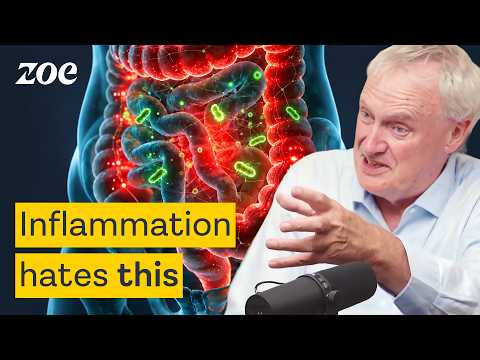
Confidence: Highly Credible Expert. Features Professor Luke O'Neill, a top immunologist, discussing complex biological processes with clear explanations and scientific backing. The content is presented as educational and informative, drawing on established scientific understanding.
Bias: Slightly Pro-Health. While aiming for objectivity, the video leans towards promoting health and preventative measures, which is inherent in its educational purpose. It emphasizes the negative impacts of inflammation and the benefits of lifestyle changes.
Originality (70%): Standard Topic, Expert Insight. The topic of inflammation is widely discussed, but the video offers originality through the in-depth explanation by a leading expert, providing nuanced details and connecting it to various health conditions and aging.
Depth (83%): Deep Dive. The video delves into the complex mechanisms of inflammation, its evolution, its role in various diseases (heart disease, Parkinson's, lupus), and its connection to aging and fatigue, supported by expert scientific explanations.
Key points (16)
- Short (15 min): key points 1, 3, 6, 10 and 15
- Medium (28 min): key points 1, 3, 4, 6, 8, 10, 12, 13, 14, 15 and 16
- Relaxed (41 min): all 16 key points
1. Inflammation: The Double-Edged Sword
Timestamp: 00:00:37 to 00:04:28 (4 min)
Inflammation is a vital healing process designed to fight germs and repair tissue. However, when it goes awry, the immune system mistakenly attacks the body's own tissues, leading to a range of chronic diseases.
Impact: High. Why it matters: Understanding this duality is crucial for recognizing when inflammation is beneficial versus when it becomes detrimental, impacting health outcomes significantly.
For: Professor Luke O'Neill
Neutral: Jonathan
2. The Modern Epidemic of Chronic Inflammation
Timestamp: 00:04:52 to 00:10:23 (6 min)
The incidence of inflammatory diseases has surged in modern times, suggesting environmental factors, particularly diet and lifestyle, are driving this 'civil war' within the body, turning the healing response into a destructive force.
Impact: High. Why it matters: This shift highlights how contemporary living conditions can overwhelm our innate biological defenses, necessitating a re-evaluation of our daily habits to mitigate disease risk.
For: Professor Luke O'Neill
Neutral: Jonathan
3. Inflammation's Silent Toll: Fatigue and Beyond
Timestamp: 00:13:46 to 00:18:45 (5 min)
Chronic low-grade inflammation, even without overt disease symptoms, triggers 'sickness behavior' similar to infection, leading to fatigue, depression, and loss of appetite, impacting overall well-being and potentially accelerating aging.
Impact: Medium. Why it matters: Recognizing these subtle symptoms as potential indicators of underlying inflammation is key to proactive health management and improving quality of life.
For: Professor Luke O'Neill
Neutral: Jonathan
4. Detecting Inflammation: A Diagnostic Challenge
Timestamp: 00:20:00 to 00:20:42 (1 min)
While severe inflammatory diseases are diagnosable via blood markers like CRP, detecting low-grade, chronic inflammation in individuals without overt symptoms remains challenging, highlighting a need for more robust diagnostic tools.
Impact: Low. Why it matters: The difficulty in pinpointing low-grade inflammation means many may suffer its effects without realizing the cause, underscoring the importance of preventative health strategies.
For: Professor Luke O'Neill
Neutral: Jonathan
5. Inflammation: The Silent Threat
Timestamp: 00:20:44 to 00:22:43 (2 min)
Chronic inflammation, often unnoticed, is a significant factor contributing to a wide range of diseases, including heart disease, and can lead to fatigue. It represents the immune system's overactive state, moving from a healing response to a harmful one.
Impact: High. Why it matters: Understanding inflammation as a root cause of chronic illness is crucial for proactive health management. It shifts focus from symptom treatment to addressing underlying systemic issues.
For: Professor Luke O'Neill
Neutral: Jonathan
6. Obesity and Fat: Fueling Inflammation
Timestamp: 00:23:01 to 00:25:46 (3 min)
Excess body fat, particularly visceral fat, is a major driver of inflammation. Fat tissue is rich in immune cells that perceive fat as noxious, triggering an inflammatory response. Drugs like semaglutide, which reduce fat, also demonstrate anti-inflammatory effects, reinforcing the link.
Impact: High. Why it matters: This underscores that obesity is not merely a cosmetic issue but a direct contributor to systemic inflammation and disease, demanding comprehensive management strategies.
For: Professor Luke O'Neill
Neutral: Jonathan
7. The Microbiome's Anti-Inflammatory Power
Timestamp: 00:25:46 to 00:27:52 (2 min)
A healthy gut microbiome, fostered by fiber-rich foods and fermented products, produces anti-inflammatory molecules like short-chain fatty acids (e.g., butyrate). Conversely, an imbalanced microbiome can generate pro-inflammatory substances that affect not only the gut but also distant organs like the liver and brain.
Impact: High. Why it matters: This highlights the gut microbiome as a critical, yet complex, regulator of systemic inflammation, underscoring the importance of dietary choices for microbial health.
For: Professor Luke O'Neill
Neutral: Jonathan
8. Sugar's Double Whammy: Weight and Irritation
Timestamp: 00:28:53 to 00:34:12 (5 min)
Excess sugar intake contributes to inflammation both by promoting fat storage and by directly irritating inflamed tissues. In inflamed joints, sugar is metabolized into inflammatory byproducts like succinate, exacerbating the condition. This creates a vicious cycle where inflammation leads to insulin resistance, further worsening blood sugar control.
Impact: High. Why it matters: This reveals sugar's insidious role beyond weight gain, highlighting its direct inflammatory impact and the complex interplay with metabolic health.
For: Professor Luke O'Neill
Neutral: Jonathan
9. Fructose: A More Troublesome Sugar
Timestamp: 00:34:14 to 00:36:55 (3 min)
While all sugars can be problematic in excess, fructose is particularly concerning due to its potential to generate more toxic byproducts than glucose. Although naturally present in fruit, high intake of added fructose, especially from processed foods and drinks, can significantly damage tissues and exacerbate inflammation.
Impact: Medium. Why it matters: This nuanced view on fructose emphasizes the need to scrutinize added sugars, even those derived from seemingly natural sources, for their inflammatory potential.
For: Professor Luke O'Neill
Neutral: Jonathan
10. Red Meat: Moderation is Key
Timestamp: 00:39:38 to 00:40:48 (1 min)
While humans are omnivores evolved to eat meat, excessive consumption can be detrimental. Too much protein can strain kidneys, and high iron content can irritate the body. A balanced diet, incorporating other food groups, is essential for overall health and preventing inflammation.
Impact: Medium. Why it matters: This provides a balanced perspective on red meat, cautioning against extreme dietary choices and emphasizing the importance of moderation and dietary variety.
For: Professor Luke O'Neill
Neutral: Jonathan
11. Meat's Inflammatory Byproducts
Timestamp: 00:40:56 to 00:41:51 (1 min)
While meat provides nutrients, its consumption can lead to the production of damaging reactive oxygen species (like bleach molecules) in the body. However, vegetables, rich in antioxidants and fiber, can counteract these effects by suppressing these damaging compounds and supporting a healthy gut microbiome. A balanced intake of both meat and vegetables is recommended for optimal health.
Impact: Medium. Why it matters: Understanding the interplay between meat and vegetables highlights the importance of a balanced diet for mitigating inflammation. It suggests that the negative effects of meat can be buffered by consuming antioxidant-rich plant foods.
For: Professor Luke O'Neill
Neutral: Jonathan
12. Gluten: Celiac vs. General Population
Timestamp: 00:42:14 to 00:43:44 (2 min)
For individuals with celiac disease, gluten must be avoided due to an immune reaction to its protein, alphaglyodin, which can lead to autoimmune issues. However, for those without celiac disease, gluten is generally a safe source of nutrients with limited evidence of causing ill effects. Pre-celiac individuals might experience mild symptoms, and testing is advised if gluten sensitivity is suspected. Overall, for healthy individuals, gluten is not inherently inflammatory.
Impact: High. Why it matters: This distinction clarifies that gluten intolerance is not universal, differentiating between a serious autoimmune condition and general dietary concerns. It empowers individuals to seek proper diagnosis rather than broadly avoiding gluten.
For: Professor Luke O'Neill
Neutral: Jonathan
13. Dairy and Seed Oils: Personalized Intolerances
Timestamp: 00:44:38 to 00:46:40 (2 min)
Lactose intolerance, a specific immune response to the sugar in milk, affects a percentage of the population and can be tested for, similar to allergies. For the majority, however, dairy is a healthy food. Similarly, natural oils derived from plants like sunflower and olive oil are generally healthy. The concern around seed oils is largely unfounded for most people, provided they are natural and not overly processed.
Impact: Medium. Why it matters: This point demystifies common food fears, emphasizing that intolerances are often personalized rather than universal. It encourages a nuanced approach to diet, distinguishing between genuine medical conditions and broad dietary restrictions.
For: Professor Luke O'Neill
Neutral: Jonathan
14. Dr. Mirth: The Unsung Hero of Health
Timestamp: 00:47:20 to 00:49:23 (2 min)
Beyond diet and exercise, 'Dr. Mirth'—the practice of having fun and enjoying life—is a critical component of health. Stress and negative emotions can negatively impact the immune system and exacerbate inflammation, potentially overriding the benefits of a healthy diet. Embracing joy and laughter can counterbalance negative health effects and improve overall well-being.
Impact: High. Why it matters: This introduces a vital, often overlooked, aspect of health: mental and emotional well-being. It suggests that a holistic approach, integrating joy with diet and exercise, is essential for managing inflammation and living a healthier life.
For: Professor Luke O'Neill
Neutral: Jonathan
15. The Power of Plants and Polyphenols
Timestamp: 00:51:32 to 00:53:44 (2 min)
Plants are rich in antioxidants like polyphenols, which act as natural defenses against damaging oxygen radicals produced during metabolism. These compounds not only protect tissues but also nourish the gut microbiome, promoting the growth of beneficial bacteria that can suppress inflammation. This highlights the historical use of plant-based remedies and the modern understanding of their anti-inflammatory and gut-health benefits.
Impact: High. Why it matters: This underscores the profound, multifaceted benefits of plant consumption, linking ancient wisdom with modern science. It positions plants as crucial allies in combating inflammation and supporting a healthy internal ecosystem.
For: Professor Luke O'Neill
Neutral: Jonathan
16. Morning Sunshine and Circadian Rhythms
Timestamp: 00:54:44 to 00:55:44 (1 min)
The timing of sunlight exposure is crucial for regulating inflammation. Morning sunshine, in particular, has a more beneficial effect than light later in the day, helping to synchronize the body's internal clock. Disruptions to this circadian rhythm, such as from jet lag, can exacerbate inflammatory conditions like arthritis, highlighting the importance of establishing regular sleep patterns and morning light exposure.
Impact: Medium. Why it matters: This reveals a subtle yet significant factor in inflammation management: the body's natural rhythms. It provides a simple, actionable step—seeking morning sunlight—to help regulate inflammation and improve overall health.
For: Professor Luke O'Neill
Neutral: Jonathan
This analysis was generated by skim (skim.plus), an AI-powered content analysis platform by Credible AI. Scores and classifications represent the platform's AI-generated assessment and should be considered alongside other sources.