Insulin is the body's most critical hormone, acting as a chemical messenger that manages energy supply by facilitating nutrient uptake into storage tissues like fat and muscle when we eat, and enabling energy release from these stores when we fast. Its role extends beyond blood sugar regulation to include fat and protein metabolism, and it is essential for tissue growth, making it indispensable for life.
The Brain's Glucose Dependency
Glucose is the primary and simplest fuel for the brain, making its consistent supply critical. If blood sugar levels drop too low, it can lead to confusion, unconsciousness, and seizures. While high blood sugar is also harmful long-term, the body prioritizes maintaining a stable glucose level through a negative feedback loop involving insulin to prevent acute neurological dysfunction.
The Impact of Processed Foods on Insulin
Highly processed carbohydrates, like white bread or soda, are rapidly digested, causing a swift spike in blood glucose and demanding a large, immediate insulin response from the pancreas. In contrast, complex carbohydrates are digested more slowly, leading to a gradual release of glucose and a more manageable, sustained insulin secretion. This difference in release rate significantly impacts the load on the pancreas and overall metabolic health.
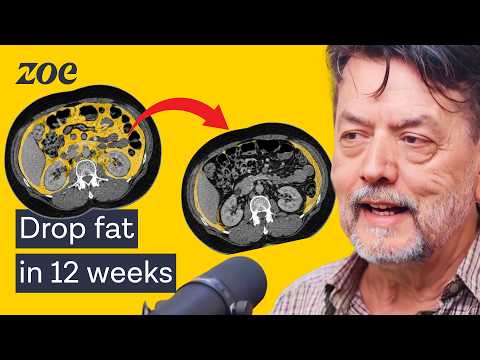
It is possible to appear thin externally but carry a dangerous amount of visceral fat around internal organs, a condition termed 'TOFI' (Thin Outside, Fat Inside). This internal fat is a significant risk factor for metabolic diseases, cardiovascular issues, and cancer, even if traditional health metrics like BMI appear normal. The distribution and type of fat, not just the total amount, are critical for health.
Sex Differences in Fat Distribution and Health Risks
Men and women tend to store fat differently due to hormonal and evolutionary factors. Men typically deposit more visceral fat around organs, increasing their risk for metabolic diseases, while women tend to store more subcutaneous fat on hips and thighs, which is metabolically less active and more protective. This difference shifts during menopause, with women accumulating more visceral fat.
Adipose Tissue: An Active Organ, Not Just Storage
Adipose tissue, or body fat, is not merely a passive storage depot for energy but a dynamic and active organ. It produces crucial molecules like leptin that regulate appetite and influences mood, immune function, and fertility. Its role extends beyond energy storage to actively communicating with the body about internal and external conditions.
Humans never evolved to choose from the vast array of foods available today, leading to confusion and poor dietary decisions. Our ancestors ate what they hunted, gathered, or grew, unlike the modern supermarket's 40,000 choices, making us susceptible to marketing that pushes unhealthy, ultra-processed foods.
The 'Why' of Our Biology: Evolution's Blueprint
Understanding 'why' our bodies function as they do requires an evolutionary perspective, as we evolved for survival and reproduction, not optimal health in the modern sense. Medical science explains 'how,' but evolution explains the fundamental 'why' behind our cravings, fat storage, and metabolic responses, empowering us to make better choices.
The Cooking Revolution: A Co-evolutionary Leap
The advent of cooking was a critical evolutionary innovation that fundamentally changed human physiology, enabling us to extract more nutrients and energy from food. Our digestive systems, including intestines and microbiomes, adapted to cooked food, making diets reliant solely on raw ingredients impractical for survival today.
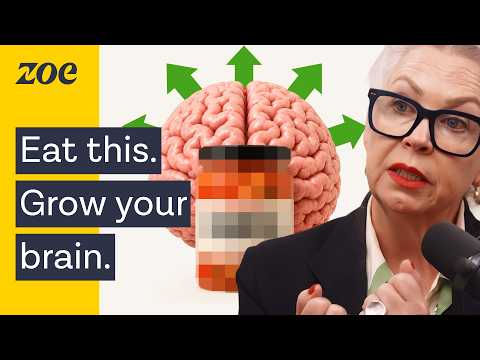
Professor Felice Jacka shares findings from a study where healthy women consuming a probiotic yogurt showed an increase in the volume of the hippocampus, a brain region critical for learning and memory. This suggests that fermented foods, through their probiotic content, can have tangible positive effects on brain structure and function.
Felice Jacka: The Birth of Nutritional Psychiatry
Professor Felice Jacka explains how her accidental entry into psychiatry research led her to discover a significant gap in understanding the link between diet and mental health. Despite initial skepticism, her rigorous statistical analysis of comprehensive data revealed a strong correlation between diet quality and reduced risk of depression and anxiety, independent of other factors like body weight.
Microbial Signatures of Mental Illness
Professor Tim Spector discusses consistent microbial patterns observed in individuals with serious mental disorders, including reductions in butyrate-producing bacteria (linked to anti-inflammatory effects) and increases in lactic acid-producing bacteria. These shifts correlate with biochemical changes in the blood and brain, suggesting a significant role for gut microbes in the pathophysiology of mental illness.
The popular image of Paleolithic humans subsisting solely on meat is a misconception. Scientific evidence from isotopic analysis of teeth and bones, as well as cut marks on animal remains, indicates that our ancestors consumed a varied diet including plant foods, grasses, and sedges, adapting their intake based on local environments and seasons. This challenges the foundation of the modern Paleo diet's premise.
Dietary Adaptability: Beyond a Single 'Paleo' Template
The concept of a single 'Paleo diet' is misleading because ancestral diets were highly variable and adapted to specific local environments. Evidence shows Neanderthals in different regions consumed vastly different diets, from meat-heavy to plant-based, and even marine resources. This highlights that human ancestors were flexible and resourceful, exploiting available resources rather than adhering to a rigid, universal template.
Evolutionary Shifts: Gut Shrinkage and Brain Growth
Human evolution saw a significant trade-off: a reduction in gut size (about 20% smaller than expected for primates) and a corresponding increase in brain size (about 20% larger). This shift, likely driven by improved diet quality (access to more protein and fats) and the use of tools and cooking, allowed for greater energy allocation to the brain, a process that occurred over millions of years.
The wellness industry often promotes an obsessive pursuit of health, advocating for extreme measures like excessive exercise. Dr. Emanuel argues this focus is misguided, as true longevity and well-being stem from living a meaningful life, with wellness serving as a means to that end, not the end itself. He suggests that excessive exercise beyond a certain point yields no additional longevity benefits and comes with a significant opportunity cost.
The Perils of the 'Wellness Industrial Complex'
Dr. Emanuel criticizes the 'wellness industrial complex' for promoting self-denial and extreme practices, often driven by profit. He highlights the dangers of unregulated products like peptides, which are marketed aggressively but lack rigorous study and can be harmful. This complex thrives on uncertainty, offering a false sense of control through expensive, often ineffective, interventions.
Emanuel: Ultra-Processed Foods Drive Obesity and Decline
Dr. Emanuel identifies ultra-processed foods as a major driver of the obesity epidemic and cognitive decline, particularly in countries like the US and UK where consumption is high. He urges a substantial reduction, starting with sodas and packaged snacks, and suggests healthier alternatives like nuts and fruits. This shift is crucial for mitigating widespread health issues and reducing healthcare costs.
The common belief that all sugar is bad is a myth; our bodies need sugar, particularly glucose, for energy, especially for the brain. The real issue lies in the rapid release of glucose from processed foods, not sugar itself in its natural context.
Sarah Berry: The Body's Sugar Factory
We don't need to consume sugar to survive because our bodies can produce glucose from protein and fat, and carbohydrates like starch are broken down into glucose. Excess glucose is stored as glycogen, which can be released during fasting or exercise.
Tim Spector: The Hadza Tribe & Episodic Sugar
Humans evolved to handle occasional high sugar intake, as seen with the Hadza tribe's honey consumption. Modern diets, however, involve constant exposure to added sugars, creating a stress our bodies aren't adapted to manage, potentially leading to type 2 diabetes.
Fiber doesn't have to be boring; it's an exciting component of plants that can be transformed into delicious, flavorful, and fun meals. The key is to embrace the whole plant package—vegetables, nuts, seeds, and whole grains—rather than isolating fiber as a mere ingredient.
Sarah Berry: The Role of Fiber in Satiety and Blood Sugar
Fiber, particularly soluble fiber, slows digestion and sugar absorption, leading to blunted blood glucose spikes and prolonged feelings of fullness. This mechanism activates satiety receptors, signaling the brain to stop eating and preventing overconsumption, especially relevant in modern food environments.
Hugh Fearnley-Whittingstall: Gradual Fiber Increase is Key
While increasing fiber intake is beneficial, it must be done gradually to allow the digestive system to adapt. Rapid increases can lead to discomfort, so a slow, steady approach over a few weeks is recommended to reach optimal levels without adverse effects.