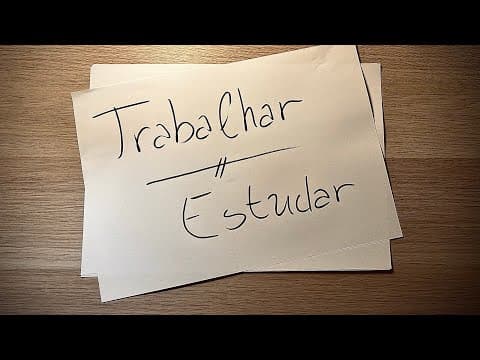
Initially, videos and books on studying and personal development have a profound impact, changing lives. However, as consumption increases, the impact lessens, leading to information overload and analysis paralysis, where the pursuit of perfect tools and methods hinders actual study. The speaker notes that this content becomes a hindrance rather than a help when not grounded in experience.
Gilson, a 22-year-old computer science student, faces an extremely demanding schedule, working from 8 AM to 6 PM and attending classes from 7 PM to 10 PM, leaving him exhausted by 11:30 PM. This intense routine raises questions about how he can possibly find time and energy to study effectively.
Harnessing Peak Energy
The speaker advises finding your 'peak energy' time for studying, whether that's morning, evening, or midday. For them, the most productive study time was the 2-3 hour window between morning university classes and afternoon work, a period of high energy before teaching exhaustion set in.
Strategic Preparation During Breaks
The speaker advocates using academic or work breaks to proactively study for the most challenging subjects of the upcoming semester, rather than revisiting past material. This forward-thinking approach ensures that difficult topics are tackled when energy is higher and time is more flexible, reducing future stress.