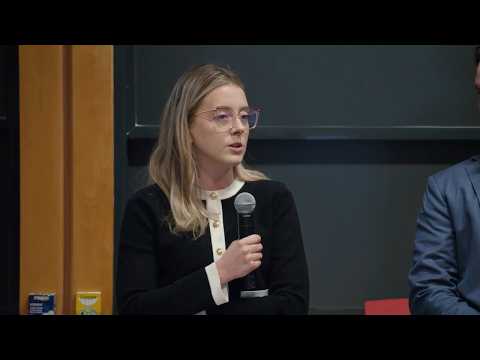
Why These Harvard Business School Graduates Chose Worker Ownership Over Wall Street
Courtney: The ESOP Education Gap
A significant challenge in implementing employee stock ownership plans (ESOPs) is the lack of education among founders, trusted advisors, and stakeholders. Many financial advisors are unfamiliar with ESOPs, hindering their recommendation as a succession planning tool. This necessitates a substantial role for firms like Butcher Joseph in educating the ecosystem. The final sentence is: Overcoming this knowledge deficit is paramount for broader ESOP adoption.
Ann: The Evolution of Compensation Philosophy
The shift from defined benefit to defined contribution retirement plans necessitates a greater emphasis on compensation philosophy and personal accountability for financial security. Integrating ownership thinking into compensation structures would be beneficial, especially concerning retirement benefits.
Ann: Transitioning to Worker Ownership at KKR
Ann transitioned into the worker ownership space through KKR's strategic investment in broad-based ownership models. Her operational experience, particularly in talent management and using incentive structures to align organizations around a common vision, directly informed her work in this area.
Courtney: Support Gaps in Niche Career Services
While HBS faculty provided invaluable support and network connections, Courtney wished for more specialized resources from career services to aid her transition into the niche field of employee ownership, as traditional MBA career paths are heavily prioritized.
Bobby: Employee Ownership as a Foundation for Collective Identity
Bobby views employee ownership as more than just a retention or wealth dispersion tool; it's about creating identity, re-engaging pride, and fostering a collective spirit. This shared identity is the crucial first step towards tackling broader organizational issues and building a robust culture.
Courtney: Integrating Employee Ownership into Business Curriculum
Courtney suggests that employee ownership principles can be woven into various business school courses, including leadership, strategy, and finance, by using relevant case studies. This exposure would better prepare students for careers in the employee ownership space, aligning with the goal of fostering more interest in this field.
The Power of Ownership: Beyond Monetization
Employee ownership programs, when genuinely embraced, move beyond mere monetization to foster a strong sense of trust and real evidence of payout, making the 'trust factor' less of an issue. This is exemplified by successful deals where the acquiring strategic partner was excited by the existing culture aligned with employee treatment and adopted them into equity programs. The broader industry benefits from widespread adoption, as seen with organizations like Ownership Works.
Robert: Unions and Employee Ownership - A Complementary Dance
The intersection of unions and employee ownership presents a unique dynamic. While some view them as substitutes, Robert's experience shows they can be complementary. Unions provide a pre-existing collective identity and sense of togetherness, which can be supercharged by employee ownership goals. However, a significant challenge arises when union agents feel they must 'win' incentives through contentious negotiation rather than collaboration, potentially undermining the spirit of shared goals.