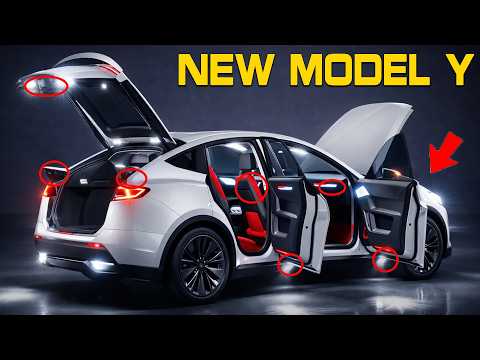
2026 Tesla Model Y: What Elon Musk Didn’t Fully Explain. MIX
Adaptive Anti-Glare Camera System
To combat glare from sunlight, the Model Y Juniper employs a refined camera housing with micro-cone structures and an active glare shield. This system dynamically adjusts to sun angles, improving object detection accuracy by up to 15% and recognition by 16%, ensuring stable camera performance for driver assistance systems.
Optimized Cabin Airflow for Comfort
Tesla has recalibrated the Model Y Juniper's airflow system to diffuse air more widely, reducing direct drafts and increasing comfort. By lowering air speed at the point of contact by 30-40% and maintaining airflow below 0.3 m/s, the system minimizes thermal discomfort and creates a more natural, less noticeable cooling effect.
Regenerative Braking and Traffic Patterns
The mental fatigue from regenerative braking in the Model Y is linked to traffic patterns. In dense urban areas, frequent deceleration requires constant brain calculation, causing fatigue. On highways, steady speeds allow regenerative braking to reduce cognitive load by minimizing accelerator-brake pedal switching.
Safety Alerts and Driving Perception
Overly sensitive safety alerts in the Model Y can lead to driver conditioning to anticipate danger, increasing stress and diminishing the impact of critical warnings. Adjusting alert sensitivity to match the driving environment (urban vs. highway) is crucial for maintaining safety and focus.
Accelerated Tire Wear and Replacement Costs
The Model Y's weight and instant torque accelerate tire wear by up to 20% compared to gasoline cars, leading to more frequent replacements at approximately $1,500 per set, a significant recurring expense over its ownership period.