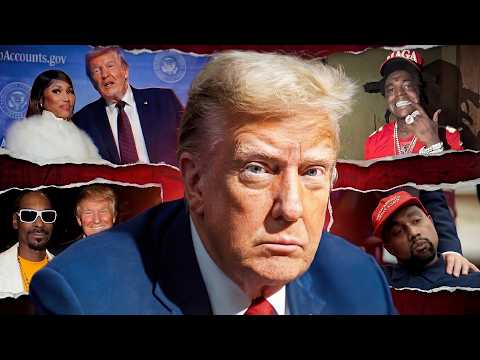
Why Rappers Can't Say No To Trump
The Pardon and Commutation Strategy
During his presidency and particularly towards the end of his term, Trump utilized presidential pardons and commutations as a powerful form of leverage, granting clemency to rappers like Lil Wayne and Kodak Black who faced legal troubles. This strategic use of executive power secured public support and endorsements from these artists.
Financial Incentives and Tax Benefits
Beyond legal leverage, Trump's team offered significant financial incentives for artists to perform at rallies and events, with offers reportedly reaching millions of dollars. Furthermore, Trump's tax cuts disproportionately benefited high-earning musicians and rappers, creating a strong financial motivation for their support.
The Transactional Formula
The relationships between Donald Trump and hip-hop artists consistently follow a transactional formula: artists seek freedom (pardons), money (fees), relevance (political access), and Trump seeks credibility, specifically black endorsements. This mutual benefit, driven by leverage, explains the shift in public support from many artists.
Contrast with Taylor Swift's Endorsement
In contrast to the transactional relationships with rappers, Taylor Swift's endorsement of Kamala Harris was presented as a risk taken for personal belief, with no apparent personal gain. This highlights the difference between politically motivated endorsements and those driven by tangible benefits.