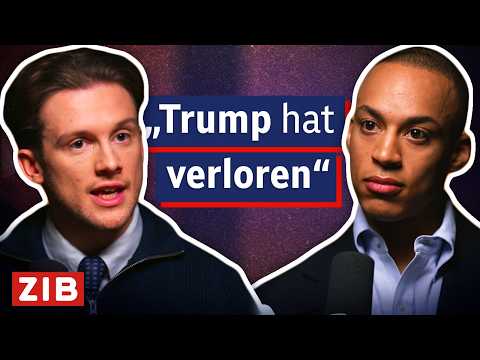
Warum der Iran-Krieg jetzt eskalieren könnte | Geopolitik-Analyst Andreas Grassl im Interview
Hungary's New EU Trajectory
With Peter Magyar's victory, Hungary is expected to align more closely with EU policies, potentially unblocking crucial aid for Ukraine and sanctions against Russia. While Hungary might cease to be a primary obstructionist, other states like Slovakia, under Robert Fico, could potentially assume a similar disruptive role within the EU, though Hungary's larger size and longer experience with such a stance might make its absence more impactful.
Life in Iran Amidst Conflict
Despite the ongoing geopolitical tensions and internal unrest, daily life for many in Iran continues with a degree of normalcy, with people engaging in their work and daily routines. However, certain areas near security installations are considered dangerous. The government's response to external threats often involves increased restrictions on the population, impacting access to essential services like internet and water, which could reignite protests.
Andreas Grassl: The 'Influencer' Label Dilemma
Andreas Grassl rejects the label 'influencer' because it is often used to delegitimize his work, associating it with superficial entertainment rather than substantive analysis. He argues for a qualitative distinction between his content and that of social media personalities focused on fleeting trends, comparing it to the difference between news programming and teleshopping.
The Need for Regulation, Not Self-Regulation
Grassl argues against the self-regulation of social media platforms, stating that they will always prioritize business interests. He advocates for clear political frameworks and laws, similar to how other businesses are regulated, to ensure accountability for harmful content. He also touches upon the debate around mandatory real names, which he now sees as a potential necessity despite initial liberal reservations.
Generational Fragmentation in the Digital Age
Grassl contends that the concept of a monolithic 'Gen Z' or 'Millennial' identity is outdated due to algorithmic personalization. He explains that individual feeds create vastly different realities, leading to sub-generations with little shared cultural reference, evidenced by his need to explain memes to peers. This fragmentation makes it difficult to generalize about generational attitudes or experiences.
Andreas Grassl: Shifting Views on the Ukraine War
Grassl reveals a significant change in his perspective on the Ukraine war. Initially advocating for territorial compromise, his visit to Ukraine and deeper engagement with European interests led him to believe that Ukraine must not lose the war. He now emphasizes the need for Europe to define and act upon its own strategic interests, rather than merely reacting morally to the actions of other global powers.