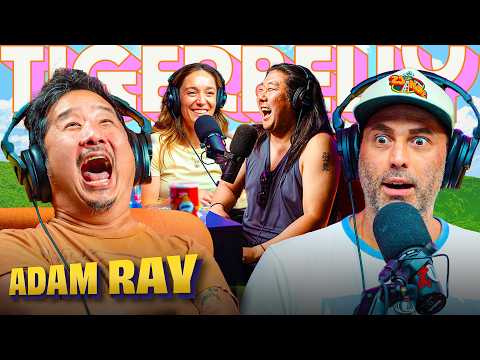
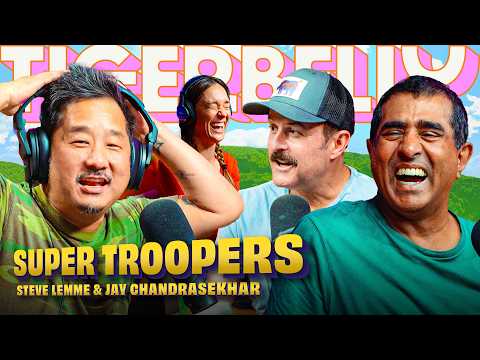
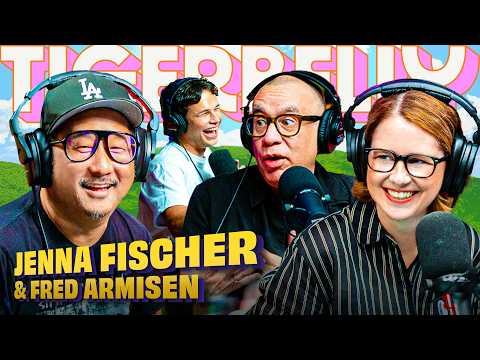
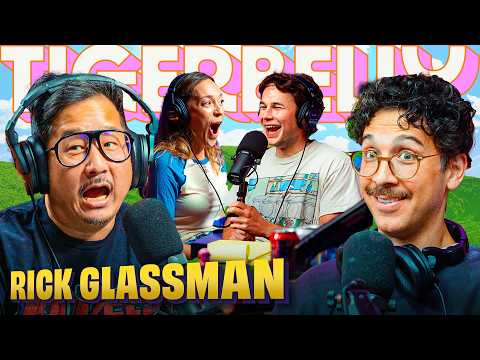
Fahim Anwar recounts his experience being on 'Comics Unleashed,' highlighting the show's format of requiring comedians to submit their jokes in writing beforehand. He notes that the show felt like a relic of a past era of television, contrasting it with the more dynamic and fresh content found on YouTube. Anwar suggests that the show's format limits comedians' ability to express their full point of view and that the punchlines, often physical or performance-based, are difficult to convey in written form.
Hypothetical 'Comics Unleashed' Takeover
Bobby Lee, Fahim Anwar, and others brainstorm a hypothetical scenario where they, along with comedians like Tim Dylan, Santino, and Burke, take over an episode of 'Comics Unleashed.' Their plan involves disrupting the show's format with extended dances, unscripted rants, staged collapses, and unpredictable audience reactions, all while demanding that Byron Allen's show not be edited. This concept is presented as a way to inject chaos and authenticity into a format they perceive as stale, aiming to generate massive viewership and attention.
The Illusion of Career Impact from TV Appearances
Appearing on major talk shows like The Tonight Show, even in the early 2000s, had little to no tangible impact on a comedian's career, especially in the current internet-driven landscape. These appearances are likened to visiting the 'Magic Castle for comedians' – a prestigious experience that doesn't translate into career advancement or increased opportunities.
Jimmy Fallon's Accommodating Nature
Jimmy Fallon is described as exceptionally nice, accommodating, and personable, even going so far as to warm up the audience for his guests and acknowledge their families. This behavior creates a supportive environment for performers, making them feel welcomed and set up for success.
The Unpredictability of AI and Future Careers
The rapid advancement of AI poses a significant threat to traditional job markets, potentially leading to widespread unemployment and the necessity of a guaranteed basic income. This societal shift could paradoxically foster more artists and comedians as people gain free time, though the long-term implications remain uncertain due to a lack of historical reference points for such a transformation.
The Delusion Required for a Comedy Career
Pursuing a career in comedy requires a significant level of delusion, as the path is fraught with pain and suffering that aspiring comedians often don't fully comprehend at the outset. This naivete is crucial for enduring the long journey without being deterred by the immense challenges involved.
The Bass Guitar: A Stealthy Instrument
Playing the bass guitar in an orchestra is advantageous because its low register makes it difficult for listeners to detect poor playing, unlike instruments like the violin where mistakes are immediately obvious. This allows less skilled musicians to blend in more easily.
Cultural Resilience and Generational Strength
The conversation touches upon the inherent strength and resilience found in certain cultures, particularly Middle Eastern and Korean populations, often forged through historical hardship like occupation or conflict. This generational resilience manifests as a refusal to be bullied and a determination to persevere, a trait observed in the context of parental expectations and career persistence.
The 'Mandatory' Nature of Comedy Shows
Comedians express reluctance towards participating in certain live comedy shows like Kill Tony, viewing them as almost mandatory or a rite of passage they'd rather avoid. They liken it to mandatory military service, suggesting a pressure to conform to specific industry expectations that don't align with their personal comedic style or comfort.
The Emotional Toll of Uncomfortable Comedy
Participating in highly improvisational and potentially aggressive comedy formats can be emotionally taxing, leading to discomfort and even tears. Comedians prefer to avoid situations where they might feel overwhelmed or unable to perform authentically, prioritizing their well-being over forced participation.
Bobby Lee's Generosity and 'Monster' Persona
Bobby Lee is characterized as an exceptionally generous host and friend, often covering expensive meals and treating those he considers family with immense kindness. This generosity is exemplified by his 'monster' persona at dinner, where he orders lavishly for himself and others, setting a high bar for hospitality.
The Evolving Landscape of Comedy
The comedy industry is undergoing a significant transformation, moving from a gatekeeper-dominated model to an open-access environment driven by social media clips. This shift presents both opportunities for wider reach and challenges in planning long-term careers, with the rise of AI also posing a potential future disruption to live performance.
Fahim Anwar's "Martyr" Moment
Fahim Anwar recounts a performance where he was given a strict time limit by Bobby Lee, leading to intense pressure. Despite the fear of going over and causing trouble, Anwar felt compelled to deliver his set, viewing himself as a 'martyr' for comedy, willing to risk failure to support the show's timing.
Failing Upwards: The Comedian's Mantra
Both Bobby Lee and Fahim Anwar discuss the concept of 'failing upwards,' where repeated failures in comedy ultimately build resilience and lead to eventual success. They emphasize that perseverance and learning from mistakes are key to navigating the challenging path of a comedian's career.
Fahim Anwar's 'AIDS Joke' Bomb
Fahim Anwar describes a devastating experience performing an AIDS joke in an all-black room, which fell completely flat, resulting in silence and offense. This failure was so profound that he was asked to leave the stage and later considered quitting comedy altogether.
The Integrity of Saying 'No'
Bobby Lee discusses how, as a younger comedian, he would say 'yes' to every opportunity, but as he matured, he learned the importance of integrity in saying 'no' to roles or situations that don't align with his values, citing Dave Navarro's refusal to do a bizarre sketch as an example.
Fahim Anwar's Early Career Gamble
Fahim Anwar recounts being offered a role in a sketch show early in his career by Vince Offer, despite being warned it would be stereotypical and potentially racist. He took the role for the opportunity, but immediately regretted it, feeling he had "ruined" his career. This experience highlights the difficult choices comedians face when balancing artistic integrity with career advancement.
Navigating Stereotypes and Accents in Roles
Fahim Anwar expresses a vow to stop doing Asian accents after past experiences, though he admits to doing them recently for significant roles like in 'Whiskey Tango Foxtrot.' He and Bobby Lee discuss the fine line between authentic character portrayal and perpetuating harmful stereotypes, highlighting how the necessity of accents can be dictated by directors rather than character logic.
The Shifting Landscape of Hollywood Gatekeeping
Bobby Lee and Fahim Anwar discuss how the traditional Hollywood gatekeeping system, where access was controlled by a few powerful figures, is being dismantled by the internet. They note that while they faced challenges with this old system, the rise of online platforms allows comedians to build fanbases and careers more independently, bypassing conventional industry approval.
Bobby Lee's Take on the Cameron Anecdote
Bobby Lee initially questions the validity and details of Zack Chapaloni's James Cameron story, particularly the timeline and whether Cameron would remember the encounter. He playfully sides with Cameron, suggesting Chapaloni is overreacting to a minor past event. However, when Khalyla Kuhn points out that Chapaloni's mother not only helped Cameron but also housed and fed him, Lee acknowledges that this detail significantly changes the situation, implying a greater obligation from Cameron.
Zack Chapaloni's Career Updates
Zack Chapaloni provides updates on his career, mentioning his recent paid regular status at the Comedy Store and his appearance in the last scene of 'Shameless.' He clarifies that he is no longer working at a store, indicating a progression in his professional life. This segment serves as a brief professional update, highlighting his ongoing work in comedy and acting.